

What Do Auctioneers Make? Inside Their Earning Secrets
 Nitesh Singh
September 14, 2023


Most auctioneers don’t earn a salary. They earn a commission on each sale, commonly 10% to 15% of the final price, plus flat fees for setup, marketing, and admin. That means what an auctioneer makes in a year depends on how many auctions they run, what the items sell for, and how much of the work they can handle without extra staff.
This post breaks down how auctioneers get paid, what pushes their income up or down, and how online bidding, a strong script, and the right software can change what they take home.
How do auctioneers get paid?
Auctioneers earn money in three main ways: a commission on each sale, flat fees for the work around the sale, and, at many auctions, a buyer’s premium added on top of the winning bid.
| Income source | What it is | Who pays |
|---|---|---|
| Seller’s commission | A percentage of the final sale price, commonly 10% to 15% | The seller |
| Buyer’s premium | A percentage added to the winning bid. Many auction houses use it. | The buyer |
| Flat fees | Set charges for marketing, cataloguing, photography, or setup | The seller |
| Listing fees | A small charge per item listed. This is more common online. | The seller |
Rates are not fixed. Three things move them most:
- Type of auction. Higher-value sales, such as property, tend to carry a lower percentage but a larger payout. Lower-value sales, such as cars or household goods, need more volume.
- Experience. An auctioneer with a strong track record can ask for a higher rate. Someone new often starts lower to win their first clients.
- Who does the work. If the auctioneer also handles photography, cataloguing, and marketing, they usually charge more. If the seller does it, the rate is lower.
A worked example. An auctioneer runs a sale where items sell for $10,000 in total. They charge sellers a 10% commission and add a 10% buyer’s premium. They also charge $300 in flat fees for photography and setup.
- Seller’s commission: $1,000
- Buyer’s premium: $1,000
- Flat fees: $300
- Total income: $2,300, before the auctioneer pays their own costs
This is an illustration, not a rate card. Real rates depend on the auction, the country, and what’s agreed with the seller.
Can auctioneer software increase what you earn?
It can, in three ways: it saves time, it widens your audience, and it shows you what’s working. None of these guarantees a higher income, but together they change how much you can handle.
It saves time on admin. Software can take over bid tracking, bidder registration, item cataloguing, and payment collection. If those tasks take a few hours less per auction, you can run more auctions in the same month.
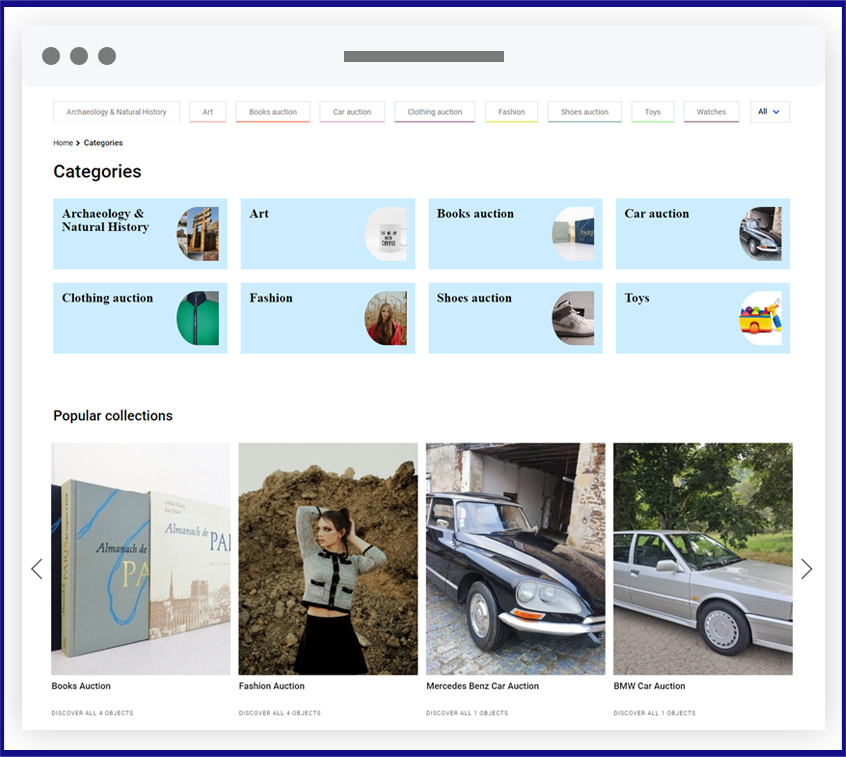
It widens your audience. With online bidding, people who can’t attend can still take part. More bidders on an item tends to push the final price up, and since your commission is a percentage of the sale, a higher price means a higher payout. It doesn’t happen every time, but it’s the main reason auctioneers move online.
 Auctioneer software(Theme) Auction Detail Page
It shows what’s working. Reports on past sales show which categories get the most bids, what time bids come in, and which buyers return. You can use that to choose what to take on next and when to close an auction.
If you charge sellers and buyers separately, software can calculate both for you. See how Ultimate Auction handles buyer’s premium and commissions.
Does an auctioneer’s script affect what they earn?
It can. An auction script is the plan an auctioneer follows to run a sale: how they open, how they describe each item, how they ask for bids, and how they close. A clear, confident script keeps bidders engaged, and engaged bidders tend to bid longer. Because most auctioneers are paid a percentage of the sale price, a few extra bids can raise their income.
A working script usually covers:
- The opening. A short welcome that explains the rules, the payment terms, and how bidding works, so nobody is confused later.
- The item description. Two or three lines about what the item is, why it matters, and what condition it’s in.
- The ask. A clear starting bid, then a steady call for the next bid, so the room always knows the current price.
- The close. A warning before the final call, then “going once, going twice, sold”. People often bid at the last second when they know it’s the last chance.
The script changes with the sale. At an art auction, the auctioneer may talk about the artist and the piece’s history. At a real estate auction, the focus moves to location, condition, and investment potential. At a charity auction, a short story about what the money does often matters most.
A flat, rushed script has the opposite effect. Bidders lose track of the price, hold back, and the sale closes lower than it could have.
How do auctioneers earn at charity auctions?
Usually not by commission. At many charity auctions, the auctioneer donates their time, works for a flat fee, or charges a reduced rate, because every dollar of the sale is meant to go to the cause. Some auctioneer associations and local rules also discourage or restrict taking a percentage of funds raised for a charity, so check what applies where you work.
So why do auctioneers take on charity events? There are real benefits beyond the fee:
- Visibility. A well-run benefit puts them in front of donors, business owners, and collectors who may hire them later.
- Reputation. A strong result gets talked about and leads to referrals.
- A flat fee for expenses. Some charities pay a set amount to cover travel, preparation, or staff.
Software can help in two ways. It lets supporters who can’t attend bid online, which widens the audience and can lift the total raised. It also takes care of the admin work, such as bid tracking, item catalogues, bidder registration, and payment collection, so the auctioneer can focus on the room.
If you’re a charity looking for software to run your own event, see how a silent auction works online.
How can auctioneers earn more?
Most auctioneers raise their income in five ways: build a reputation, add a buyer’s premium, specialize, pick the right market, and bring in more sellers and bidders. You don’t need all five. Pick the ones that fit the sales you run.
Build a reputation sellers can check
Sellers hire auctioneers they’ve heard good things about. Keep a simple record of past sales (what sold, and for how much against the estimate), and share it on your site. Ask happy sellers for a short review. Word of mouth still brings in most repeat work, so it pays to make it easy for people to recommend you.
Add a buyer’s premium
A buyer’s premium is a percentage added to the winning bid and paid by the buyer. It’s a second income stream that doesn’t reduce what the seller receives. In Ultimate Auction you can set it as a flat amount or a percentage, with a minimum and maximum, as in the example below (12%, with a minimum of $150 and a maximum of $250).

Tell bidders about the premium before the auction starts, and check whether your area has any rules about it.
Specialize in something
Auctioneers who focus on one kind of item, such as rare coins, classic cars, fine wine, or art, often build a name with serious collectors. Collectors trust a specialist, and that trust can support higher fees. The trade-off is a smaller pool of sellers, so specializing works best where you already have the knowledge.
Think about where you work
Cities usually offer more bidders and higher-value items, so auctioneers there can often charge more. They also face more competition. Online bidding reduces how much your location matters, because bidders can join from anywhere.
Make it easy for sellers to bring you items
More lots mean more commission, so make consigning simple. A submission dashboard lets sellers send in items, and lets you track each one from draft and review through to sold and paid.

Market to sellers and bidders
You need both sides. Keep an email list and send a preview of each upcoming auction, then a reminder before it closes. On social media, feature one lot at a time with a short story. For local sales, flyers and direct mail still work, so use them alongside online channels.
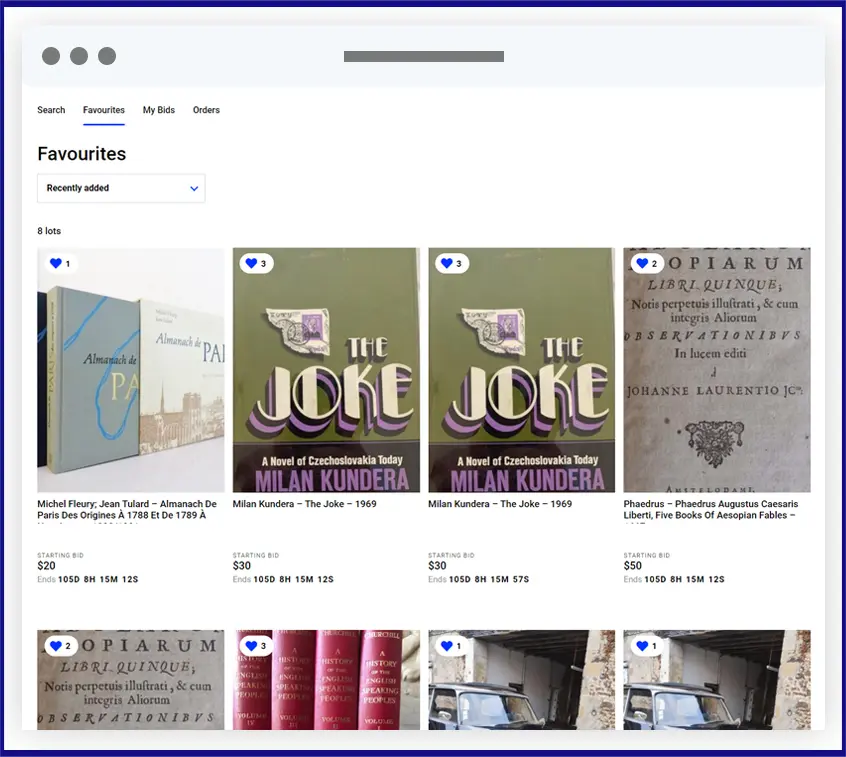
Software can help you see what’s drawing interest. On the buyer’s favourites page below, each lot shows how many people have saved it, which tells you which items to push in your next email.
What should you take away from this?
Most auctioneers earn from three places: the seller’s commission, flat fees, and a buyer’s premium where one applies. What they take home depends on the type of auction, their reputation, and how many sales they can run.
The ways to raise that income are practical. Keep a visible record of past results, add a buyer’s premium, specialize where you have real knowledge, and market to sellers as well as bidders. Software won’t make the money for you, but it can take over bid tracking, payments, and consignments, so you can run more sales and reach bidders who can’t attend.
If you’re setting up your own sales, you can look at how Ultimate Auction handles commissions, buyer’s premiums, and seller submissions, or try the live demo.


Nitesh Singh is a software veteran and the Founder of Ultimate Auction. With 16+ years of experience in web development, he specializes in building high-performance auction tools for the WordPress community. Connect with Nitesh on LinkedIn or follow his latest auction strategy guides here.
More articles by Nitesh SinghRelated Post

How to Sell Whiskey Online Like a Pro
Are you planning to sell whiskey online but don’t know where to start? Don’t worry, we are here to guide you on how to sell whiskey online and where to sell whiskey effectively. As the demand for rare and valuable whiskey bottles continues to rise in the United States, selling whiskey online has become a […]
Read More
How to Liquidate Inventory Through Online Auctions
Liquidating inventory means selling excess or slow-moving stock quickly, usually at a discount, so you turn it back into cash and free up space. The main routes are online auctions, wholesale or liquidation buyers, e-commerce marketplaces, and Amazon’s removal programs. This guide explains each one, walks through how an online liquidation auction works step by […]
Read More
From Passion to Profit : How Doug DeMuro Make His Money?
Introduction to cars and bids investment and doug demuro cars and bids investment Let me tell you about Doug DeMuro and how he makes all his money. One major highlight of Doug’s career is his Cars and Bids investment, which has significantly boosted his income. Doug is also a prominent figure for giving car reviews! […]
Read More