

How Do Horse Auctions Work? A Beginner’s Guide
 Nitesh Singh
February 11, 2026
Nitesh Singh
February 11, 2026




- How Do Horse Auctions Work?
- Step 1: Horses Arrive and Get Checked In
- Step 2: Buyers Preview the Horses
- Step 3: Buyer Registration Happens
- Step 4: The Horse Enters the Auction Ring
- Step 5: The Horse Sells to the Highest Bidder
- Step 6: Payment and Paperwork
- Step 7: Pickup and Transport
- One Important Detail: Many Horses Are Sold “As-Is”
- How Much Are Horses at Auction?
- How to Buy a Horse at Auction Without Regret
- Start With a Clear Goal (What Kind of Horse Do You Actually Need?)
- Set a Budget That Includes the Hidden Costs
- Arrive Early and Watch Before You Bid
- Ask Questions, Even if You Feel Shy
- Bring a Horse-Smart Friend if You Can
- Understand “As-Is” Sales Before You Bid
- Use a Smart Bidding Strategy (Avoid the Bidding War Trap)
- Are Online Horse Auctions Legit? What to Know Before You Bid
- Why Modern Horse Auctions Are Moving Online
- How to Sell a Horse at Auction?
- The Best Auctions Don’t Just Sell Horses, They Build Trust
- Final Thoughts: Buying and Selling Horses at Auction With Confidence
The first time you watch horse auctions, it feels like stepping into a movie scene. The auction ring is buzzing. Hooves tap the ground. The auctioneer talks fast like they are rapping. People raise their hands in quick flashes. And in the middle of it all, a horse walks in that could be someone’s next trail buddy, ranch partner, or future competition star.
That excitement is exactly why so many people are curious about horse auctions. Some buyers want an affordable horse. Some are looking for a well-trained ride. Others are sellers who want to reach serious buyers fast.
But before you jump in, you probably have the same questions everyone has:
- How do horse auctions work?
- How much are horses at auction?
- How do you buy a horse at auction without making a mistake?
- And with online bidding becoming more common, people also ask: Are online horse auctions legit?
This article breaks it all down in simple words. You will learn what happens at a horse auction, what to look for before bidding, and how to stay confident whether you are buying or selling.
How Do Horse Auctions Work?
A horse auction is basically a public sale where horses are sold to the highest bidder. Some auctions are small and local. Others are large events with buyers coming from different states or provinces. You can find auctions for all types of horses, including ranch horses, riding horses, show horses, and even young horses that still need training.
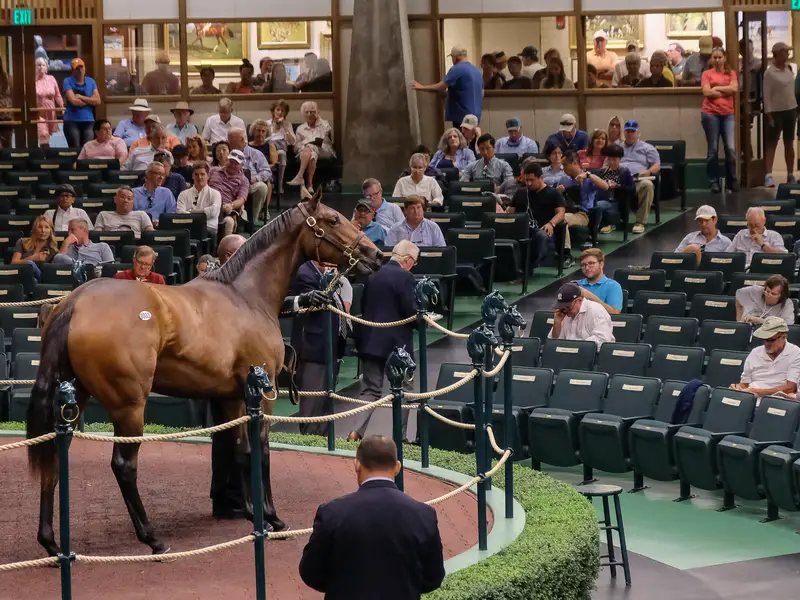
Here is how a typical horse auction works.
Step 1: Horses Arrive and Get Checked In
Before the auction starts, horses are brought to the auction location. Staff check them in and assign each horse a lot number. That number is used in the catalog and during bidding.
Some auctions also record basic details like:
Age, breed, color, and sex (mare, gelding, stallion)
Step 2: Buyers Preview the Horses
This is one of the most important parts. Before any bidding happens, buyers get time to walk around and see the horses.
Depending on the auction, you might be able to:
- Watch the horse being led
- See the horse under saddle (if it is a riding horse)
- Ask questions about training, behavior, and health
- Review paperwork if available
This preview time is your chance to judge the horse with your own eyes. Once the bidding starts, decisions happen fast.
Step 3: Buyer Registration Happens
If you want to bid, you must register first. This usually means:
- Showing a valid ID
- Giving your contact details
- Getting a bidder number
Some auctions may ask for a deposit or credit card details. This helps prevent fake bidders and keeps the sale smooth.
Step 4: The Horse Enters the Auction Ring
When it is time, the horse is brought into the ring. The auctioneer announces the lot number and starts calling bids. The price goes up as people bid against each other. The auctioneer controls the pace, and it can move quickly.
Step 5: The Horse Sells to the Highest Bidder
When bidding stops, the auctioneer says “Sold!” and the highest bidder wins. That buyer is now responsible for payment and pickup rules.
Step 6: Payment and Paperwork
After winning a bid, the buyer pays the auction office. Payment methods can include Cash, Debit or credit card, Bank transfer, Certified check (depending on the auction).
Some auctions charge extra fees like a buyer’s premium. That is an added percentage on top of the winning bid. Always ask about this before bidding.
Step 7: Pickup and Transport
Once payment is done, the buyer arranges transport. Some auctions require horses to be picked up within a set time.
If you are buying across the border, you may need extra paperwork for transport. Many buyers also plan ahead by lining up a trailer or horse shipper before they bid.
One Important Detail: Many Horses Are Sold “As-Is”
A lot of auctions sell horses “as-is,” which means the buyer accepts the horse in its current condition. The auction may not guarantee health, soundness, or training level unless clearly stated.
That is why previewing and asking questions matters so much.
Start your own horse auction platform today
Launch a professional online horse auction marketplace and reach serious buyers.

How Much Are Horses at Auction?
This is the question everyone wants answered before they even step into the auction barn:
How much are horses at auction?
And the follow-up is just as important: how much do horses sell for at auction once bidding starts and emotions kick in?
The honest answer is: horse auction prices can range from very low to very high, depending on the horse and the type of auction. Some horses sell for a few hundred dollars, while others can sell for thousands, and in special performance auctions, even much more.
| Horse Category | Price Range (USD) | Notes |
| Loose or “no catalogue” horses | $200 – $1,500 | The majority of loose horses in an auction report sold in this lower range. |
| General riding horses (cataloged) | $3,000 – $9,000 | Many average and mid-quality riding horses without specialty training fall here. |
| Catalog sale averages | ~$6,000 – $9,300 | Average of the top 50 and top 100 catalog horses in a major US sale. |
| Mid-level performance horses | $12,000 – $30,000 | Shown in broader sale ranges and average results. |
| High-value riding/competition horses | $30,000 – $38,500 | Top horses at select auctions often sell in this bracket. |
| Premium sale results | $48,000 – $62,000+ | Results from specialized sales with top sellers. |
To keep it simple, here are the biggest reasons prices change so much.
The Horse’s Training Level (This is a Big One)
Training usually affects price more than anything else.
A horse that is:
- Calm under saddle
- Easy to catch and handle
- Comfortable on trails
- Safe around people
…will almost always sell for more than a horse that is green (meaning not fully trained) or nervous.
In many auctions, a “ready-to-ride” horse often gets more attention because buyers want something they can enjoy right away.
Age Matters More Than People Think
Age plays a huge role in how much horses sell for at auction.
In general:
- Very young horses may be cheaper if they are untrained
- Middle-aged horses (often in their best working years) can sell higher
- Older horses can vary a lot depending on health and use
A quiet older horse with good manners can still sell well if it is safe and sound.
Health, Soundness, and Condition
Buyers pay close attention to the horse’s body condition and movement.
A horse may sell for less if it looks:
- Too thin or poorly cared for
- Lame or stiff while walking
- Stressed or hard to handle
Even if a horse is beautiful, if it moves poorly in the ring, buyers often hesitate.
Breed, Size, and “Type” of Horse
Some horse types are simply in higher demand.
For example:
- Ranch and trail horses often attract strong bidding
- Kid-safe horses usually sell quickly
- Performance horses can sell higher depending on training
Breed can matter too, but it depends on the region and what buyers are looking for.
The Auction Type Makes a Difference
Not all auctions are the same.
A local weekly auction may have lower prices because:
- Buyers are mostly local
- Horses may be more mixed in quality
- Some horses are sold quickly with less marketing
A specialty auction (like a trained horse sale) often has higher prices because:
- Horses are more prepared
- Sellers promote them more
- Buyers come ready to spend
How to Buy a Horse at Auction Without Regret
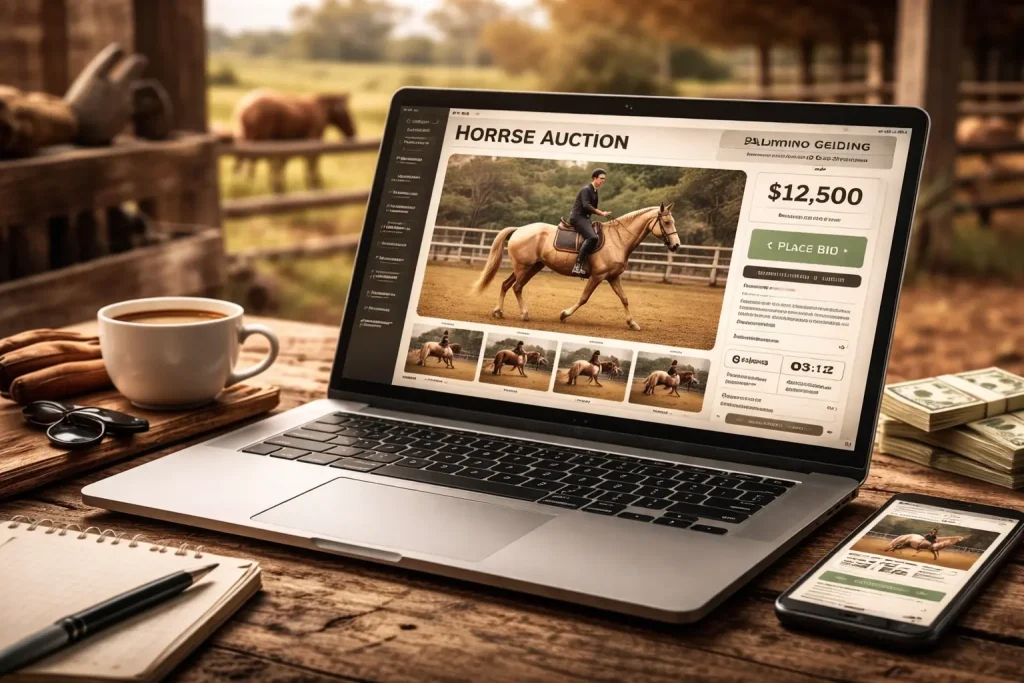
Buying a horse at auction can feel exciting, but it can also feel rushed. The ring moves fast, people bid quickly, and it is easy to get caught up in the moment. The good news is this: you can absolutely find a great horse at auction if you go in with a smart plan.
If you are wondering how to buy a horse at auction without making a costly mistake, this section will help you stay calm, focused, and confident.
Start With a Clear Goal (What Kind of Horse Do You Actually Need?)
Before you even arrive, ask yourself:
- Are you looking for a trail horse?
- A kid-safe horse?
- A ranch horse?
- A project horse to train?
- A horse for barrel racing, jumping, or shows?
A common regret happens when someone buys a horse that looks impressive, but does not match their riding level or lifestyle. A high-energy performance horse might be amazing, but not ideal for a beginner who just wants quiet weekend rides.
Set a Budget That Includes the Hidden Costs
Many people only think about the bid price, but that is not the full cost.
Your real budget should include:
- Transport (trailer or shipping)
- Vet check after purchase
- Boarding or pasture setup
- Feed and basic care
- Tack (if you do not already have it)
It is easy to think you got a “cheap horse,” then realize the extra costs add up quickly.
A simple rule: decide your max bid before bidding starts, and do not go above it.
Arrive Early and Watch Before You Bid
If possible, go early and spend time watching how the auction works.
Pay attention to:
- How fast the auctioneer moves
- How people signal bids
- How horses behave in the ring
- How much prices jump between bids
Watching a few lots first gives you a feel for the pace. It also helps you avoid panic bidding.
Ask Questions, Even if You Feel Shy
Some buyers stay quiet because they do not want to look new. But asking questions is smart. Not every auction will have full details, but even small answers help you decide.
Bring a Horse-Smart Friend if You Can
This is one of the best ways to avoid regret.
A friend, trainer, or experienced horse person can spot problems you might miss, like: Signs of lameness, Bad behavior patterns, Poor handling, or Stress signals.
Two sets of eyes are always better than one, when decisions happen fast.
Understand “As-Is” Sales Before You Bid
Many horses are sold “as-is,” which means once you buy it, it is yours. No returns.
That is why you should never bid on a horse you have not seen, unless the auction has strong protections and clear proof of training and health.
Use a Smart Bidding Strategy (Avoid the Bidding War Trap)
This is where many regrets happen.
Tips to stay in control:
- Do not bid too early if you are unsure
- Let others bid first and see where the price goes
- Bid only if the horse truly fits your goal
- Stop if the price crosses your max limit
It is easy to think, “Just one more bid,” and suddenly you have overpaid.
Remember: another horse will always come along.
Special Offer – Limited Time Only!
Rev Up Your Savings: Get 10% off Essential Ultimate Auction Software!
Fill the form and receive directly to your mailbox a discount code.
"*" indicates required fields
Are Online Horse Auctions Legit? What to Know Before You Bid
Online horse auctions are growing fast for buyers who want more choices than local barns can offer. Still, it’s smart to ask: are online horse auctions legit? The answer is yes, many are, but you need to know what a trustworthy listing looks like.
A legit online horse auction should include clear, recent videos showing the horse walking, trotting, and being handled. If the horse is rideable, there should be riding footage that shows how it behaves, not just a few edited highlights. Good listings also explain the horse’s age, training level, temperament, and any known issues in plain words.
Paperwork matters too. Many buyers look for a negative Coggins test, and depending on travel, a health certificate may be required. A professional auction will clearly explain what documents are included and what the buyer must arrange.
The bidding process should feel organized, with visible bid history, clear end times, and payment rules inside the platform. If a seller pushes you to pay outside the system or the rules feel confusing, that’s a red flag.
To buy safely, watch videos carefully, ask for extra clips if needed, and avoid listings that rely on hype instead of proof.
Why Modern Horse Auctions Are Moving Online
Horse auctions used to be all about one place, one day, and whoever could show up in person. If you missed it, you missed it. That old style is changing fast. Today, the auction ring is no longer just a physical space. It’s becoming a digital marketplace where buyers can bid from anywhere, and sellers can reach far more people than ever before.
For buyers, online auctions mean more choice. Instead of settling for whatever shows up locally, you can browse horses across different states and provinces. That opens the door to better matches, whether you want a calm trail horse, a ranch partner, or a trained performance horse. Online bidding also gives you time to review videos, read descriptions, and compare listings before making a decision, which can feel less rushed than bidding in a loud auction barn.
For sellers, moving online can be a major advantage because it increases competition. More bidders usually means stronger final prices. It also makes it easier to market a horse with photos, videos, and clear details that buyers can access anytime. A well-presented listing can create interest days before bidding even starts.
This is where the right online auction software becomes a game-changer. Instead of managing bids manually, professional auction platforms help run timed auctions smoothly, organize listings, handle bidder registration, and keep the entire process clear and structured. If you’re building a serious auction business, using the right tools matters.
How to Sell a Horse at Auction?
Auctions can create competition, and competition often leads to better prices. But the horses that sell well are usually the ones that are prepared well. A rushed, unclear sale is where sellers lose money and buyers lose trust.
Start by choosing the right auction for your horse. Some auctions focus on ranch horses, some specialize in performance horses, and others are general sales. Matching your horse to the right audience increases your chances of a strong final bid. A calm trail horse might do better in a family-friendly sale, while a trained barrel or rope horse may attract higher bidders at a performance auction.
Next, prepare your horse so it looks and behaves its best. Basic grooming, clean hooves, and good body condition make a big difference. If your horse is trained to ride, make sure it has been ridden recently and is comfortable being handled in busy environments. Buyers pay close attention to attitude, not just looks.
Then focus on your listing details. Be honest and clear about age, training, temperament, and any issues. Strong photos and a simple video showing movement, handling, and riding can increase buyer confidence. If you have paperwork like registration documents or a recent Coggins test, mention it clearly.
Finally, set realistic expectations. Auctions move quickly, and prices depend on demand that day. The best way to protect your sale is to present your horse clearly, price it fairly, and make it easy for buyers to trust what they’re bidding on.
Special Offer – Limited Time Only!
Rev Up Your Savings: Get 10% off Essential Ultimate Auction Software!
Fill the form and receive directly to your mailbox a discount code.
"*" indicates required fields
The Best Auctions Don’t Just Sell Horses, They Build Trust
A successful horse auction is not only about getting bids. It’s about making buyers feel confident enough to bid high. Buyers are more careful than ever when they are purchasing online or buying from a seller they have never met. That’s why the best auctions focus on trust just as much as price.
Trust starts with clear listings. Buyers want accurate descriptions, recent videos, and honest details about training, temperament, and health. But trust also depends on how the auction runs. If the bidding process feels confusing, the payment rules are unclear, or the platform looks outdated, buyers hesitate. And when buyers hesitate, prices drop.
This is where strong auction marketplace software becomes a major advantage. Instead of running everything manually, professional software helps auction owners manage listings, organize bidder registrations, and keep bidding fair and transparent. Buyers can see the structure, understand the rules, and participate with confidence. Sellers benefit too, because a smooth auction experience attracts more bidders and encourages stronger competition.
In short, modern auctions win when the process feels secure, organized, and easy to follow. The horses may be the stars, but the platform is the stage, and the right stage can lift every sale.
Final Thoughts: Buying and Selling Horses at Auction With Confidence
For buyers, confidence comes from staying calm, inspecting horses carefully, watching videos closely, and sticking to a budget. The best deals usually go to people who plan ahead instead of bidding on emotion. For sellers, success comes from preparation, honesty, and clear presentation. A well-groomed horse with a strong listing and real proof of training will always attract more serious bidders.
As auctions continue shifting online, both buyers and sellers benefit from better access, wider reach, and more structured bidding. When the process is transparent and organized, trust grows, and better sales follow. Whether you’re bidding on your next riding partner or listing a horse for the right audience, auctions can work in your favor when you approach them with knowledge, patience, and the right strategy.
Start your own horse auction platform today
Launch a professional online horse auction marketplace and reach serious buyers.
Frequently Asked Questions
Related Post

The Truth About Openlane Auctions: A Must-Read for Car Dealers
What Is Openlane? What is Openlane? It’s an online auction platform where car dealers can shop and sell without leaving their desks. As we found on their official site, it’s built for licensed dealers in the US, Canada, and Europe to trade wholesale used cars. Many ask, ‘Is Openlane legit?’ — yes, it’s a trusted […]
Read More
Seize the Deal: Insider Secrets to Salvage Aircraft & Car Auctions
Salvage auctions are growing fast—and not just for bargain hunters. Investors, repair shops, and resellers are recognising the immense margins in this space. Whether it’s a car, truck, or even an aircraft salvage auction, these events offer opportunities to buy high-value assets at deep discounts. When a vehicle is written off by insurance or retired […]
Read More
eBay Auction vs. Buy It Now: Things to Know
eBay offers two main selling formats: eBay Auction vs Buy It Now. The purpose of this article is to help sellers understand the differences between eBay Buy It Now vs Auction. It will guide them in choosing the best option for their items. In the auction format, sellers list items and buyers place bids. The […]
Read More