

Category: Auction Guides




- What is HiBid All About? A Guide to How to Sell on HiBid and How Does HiBid Auction Work
- HiBid Auctions at Work: Step-by-Step Process on How to Sell on HiBid and How Does HiBid Auction Work

HiBid is an online auction platform that connects buyers and sellers online, providing a seamless auction experience. If you’re wondering how to sell on HiBid, the platform offers easy-to-follow steps for sellers to list their items. Additionally, for those curious about how does HiBid auction work, it operates by facilitating bidding on a range of products across various categories. These include electronics, antiques, art, cars, furniture, real estate, toys, coins, clothing, and more. HiBid has been in the market for a long time, offering diverse products for bidding to suit every buyer’s and seller’s needs. Some people wonder if HiBid is trustworthy for buying items online. It is normal to have such concerns in your mind about online platforms because it’s your hard earned money that you are going to spend. Today, we are going to help you out by giving an all-inclusive review of HiBid, the buying & selling process at their platform, security features, and more.
What is HiBid All About? A Guide to How to Sell on HiBid and How Does HiBid Auction Work
HiBid is a tool for online auctions which is available for sellers to reach more buyers. The platform supports many types of auctions in the form of live, timed, or both. It started as a way to bring auctions online and grew in popularity with time. Now, many people use it for their buying and selling needs.
Many users have shared positive experiences with HiBid. The platform takes steps to provide 100% safety for buyers and sellers. It has clear rules and support to handle any disputes that arise. These proactive measures have built trust in the community. It is important to research and understand how the platform works.
HiBid Auctions at Work: Step-by-Step Process on How to Sell on HiBid and How Does HiBid Auction Work

HiBid supports both live and online auctions for bidders to participate in real-time at their convenience. We have listed down the types of auctions available at their website.
- Live Auctions: These auctions happen in person and have online tools for remote bidders.
- Online-Only Auctions: These auctions are purely online where all bidding takes place remotely.
- Webcast Auctions: These allow online bidders to participate in live auctions remotely.
- Absentee Auctions: Bidders can submit their maximum bids in advance, and the system will bid on their behalf up to that amount.
Who Can Sell on HiBid? Learn How to Sell on HiBid and How Does HiBid Auction Work
HiBid is a platform for different types of sellers like businesses, estate liquidators, and individual sellers. There are some eligibility requirements for sellers. While nearly anyone can sell on HiBid, they need to meet the platform’s standards. You have to adhere to the regulations and provide accurate descriptions and images of the items for sale. Sellers also have to comply with the auction’s terms and conditions for the auction type. You can find all the Hibid seller user terms here for better understanding.
How to Become a HiBid Auctioneer: A Guide on How to Sell on HiBid and How does HiBid Auction Work
You have to visit the platform’s auctioneer registration form. Provide your business details and proof of auctioneer licensing, depending on your location. The platform also needs auctioneers to meet certain standards in terms of experience and ethical conduct. Auctioneers can list items, schedule auctions, and manage their sales through HiBid.
Step by Step Guide of How to Sell on HiBid
Selling items on HiBid is a very simple process and you just need to follow the below steps.
1. Create an Account
You first need to have an account for selling on HiBid. Click the “Sell” button on the top of the homepage. It will open a registration form where you have to provide your information like First name, Last Name, Phone Number, Email, Zip Code, and your Message. Then click on the “OK” button to submit the form. You will get connected with one of their representatives who will assist you in setting up your account.
2. List Your Items
You can start listing your items once you have an account ready with HiBid after getting connected with an auctioneer. All you have to do is provide complete descriptions, upload high-quality images of the items you want to sell, and set the price for starting bids. Please note that all items with accurate and complete descriptions will attract more bidders. Make sure to write down any unique features in your items.
3. Choose Your Auction Format
Now it’s time to proceed with the type of auction you want. HiBid offers different auction formats like online-only auctions, live auctions, or a combination of both. Choose the one that suits your items and the target audience.
4. Set Your Terms
Clearly mention your payment and shipping terms before the auction begins. This will help avoid any misunderstandings in the entire process.
5. Promote Your Auction
You are allowed to promote your auction on social media and other platforms to reach a larger audience. The more visibility your items get, the better your chances of getting higher bids.
Understanding Platform Fees: How to Sell on HiBid and How HiBid Auctions Work
HiBid auctioneers charge a commission on the sale price between 5% to 20%. We have listed the breakdown of all fees associated with seller accounts on HiBid. YOu can use this information to know about the potential earnings you will get after the deduction of HiBid fees.
| Auction Type | Auction SetUp Fees | Bidding Fees | Maximum Price |
| Webcast Live Bidding | $25 | $0.25 per unique bid | $125 per auction |
| Internet Absentee Bidding | Nil | $0.25 per unique bid | $25 per auction |
| Internet-Only Auction | Nil | $0.25 per unique bid | $75 per auction |
Start Your Auction Site Now
Important Aspects: Creating a Website using Ultimate Auction software with Technical Needs and Selecting the Right Hosting Provider.

Other Platform Fees at HiBid
- Auction Fee: 2% of the gross value of items sold in the auction
- Real Estate Auction Fee: 0.1% of the amount for bidders from public portals
- Credit Card Registration: $1.00 for each registration
So, choose the right auction setup to get the best out of your sales.
Note: If you are a seller who often deals with many auctions in a month or the items are of high-value, you can also think of setting up your own auction platform to minimize these costs. There are many reputed custom auction marketplace software that gives you more control and flexibility to conduct auctions. Let’s figure out how you can set it up with minimal cost and save the HiBid auction fees.
Special Offer – Limited Time Only!
Rev Up Your Savings: Get 10% off Essential Ultimate Auction Software!
Fill the form and receive directly to your mailbox a discount code.
"*" indicates required fields
Save on Fees with Your Own Auction Platform
While the HiBid platform is there to sell items, you can have your own auction site to avoid the auction fees in the long run. Online auction software will let you set your own rules, fees, and commission structures. This is helpful as you will avoid the standard commissions charged by third-party auction sites. You also get the flexibility to customize the user experience and add any additional features in your own auction website. This will not only maximize your profits but also give a clear understanding of your products to the customers.
Creating your own auction site is no longer a difficult task with our top-rated online auction software in the market. Here are some standout features you can use:
- Customizable Auction Listings: Create end-to-end listings with options to add images, descriptions, and bidding rules to fit your product needs.
- No Commission Fees: Avoid high fees charged by other platforms. You set your own rules and keep all your profits to yourself.
- Real-Time Bidding Updates: Track bids in real-time throughout the auction.
- User-Friendly Dashboard: Manage your auctions, users, and bids from one place. The dashboard is easy for daily auction operations.
- Automated Email Notifications: Send instant notifications for bids, winning, and losing alerts to all participants automatically.
- Multiple Payment Gateways: Integrate various payment options for your buyers to accept payments.
So, if you’re selling any auction items online, time to switch to your own auction website today!
Step by Step Guide for Bidding on HiBid
This section will show you how to bid on your favorite items in an ongoing auction at HiBid.
- Create an Account: The very first step is to have an account on the HiBid website. This will give you the list of all the ongoing auctions on the platform.
- Find an Auction: Use the search and filter options to find auctions that you are interested in. You can filter by categories, location, or price to narrow down your search.
- Place a Bid: Once you find an item you want to buy, enter your maximum bid amount. HiBid will automatically bid on your behalf up to your maximum limit.
- Bidding Increments: Each auction has specific bidding increments for the minimum amount by which your bid must increase over the current highest bid. You can set up the incremental bids in case you are not going to monitor it for the next few hours or days.
- Set a Maximum Bid: This allows the system to automatically place bids for you up to that amount. This helps as you don’t need to monitor the auction every single minute.
- Monitor the Auction: Keep an eye on the auction once it nears its end. If you’re outbid, you can decide to increase your maximum bid or let the item go.
How to Cancel a Bid on HiBid
- Contact the Auctioneer: HiBid does not allow users to directly cancel their bids. You must contact the auctioneer of the specific auction and explain your reason for canceling the bid.
- Auctioneer’s Discretion: It is up to the auctioneer whether they will allow the cancellation. They may reject the request if they believe it disrupts the auction process.
- Potential Consequences: Canceling a bid is not common practice and can lead to restrictions on your account or being banned from future auctions. To avoid these issues, always double-check your bid amount and item details.
Security and User Experience on HiBid
All active buyers and sellers on the Hibid platform must follow the guidelines specified on their portal. Buyers should carefully read the item descriptions and check seller ratings before placing a bid. If you are bidding for a high-value item, it’s better to visit the item in person or ask for more details from the seller to avoid any issues later. Similarly, sellers should provide accurate descriptions and real photos. Be upfront about the estimated shipping costs and item conditions.
HiBid has many security measures in place to make sure that all transactions are 100% safe and secure. They offer credit card authentication (optional) to verify buyers’ information. This gives the confidence to sellers that the bidders have a valid payment method. The platform also monitors transactions and provides dispute resolution to handle issues between buyers and sellers. HiBid always asks the users to contact their support team for assistance in case of any query.
HiBid User Reviews and Testimonials
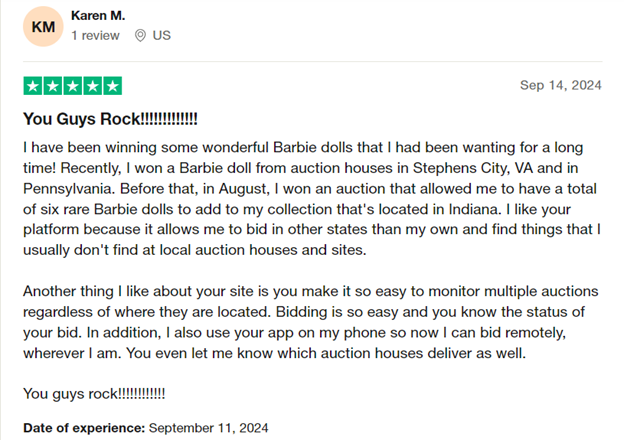
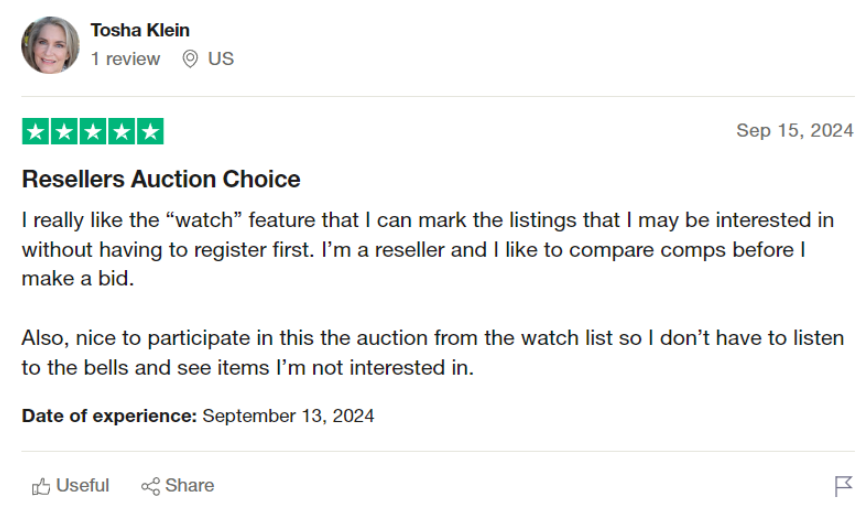
Hibid has mixed user reviews from being positive to negative. Many buyers and sellers appreciate the range of items and the simple user interface. Some have reported positive experiences with high-value transactions and deals. On the other hand, few have noted concerns with certain sellers not accurately representing items.
Overall, HiBid has a 4 star rating on TrustPilot with 910 total reviews. This shows that the platform is legit and has given good items to buyers. It also has positive user reviews on its own website.
Here are some of the positive reviews available online at TrustPilot.
Ownership and Background of HiBid
HiBid is owned by Sandhills Global which is a company based in the United States. Sandhills Global is a technology firm specializing in information processing and distribution across several industries. They own multiple auction and listing platforms. The corporate structure of Sandhills Global includes a dedicated leadership team for operations and expansion. The focus is on providing online solutions for auctioneers and buyers.
Launch Your Auction Site Immediately
Achieve it effortlessly with Ultimate Auction Software
HiBid’s Place in the Online Auction Industry
HiBid stands out in online auctions for its reliable platform. It offers many auction types like online-only, live webcast, and absentee bidding. Compared to other platforms, HiBid is known for supporting both small and large auctioneers. It has been growing steadily with a rising user base and expanding market presence.
HiBid saw impressive sales in December 2023. The total merchandise sold was valued over $52.8 million. The overall hammer price was more than $102 million. Over 844,000 lots were sold through online bidding. There were 1,830 timed auctions and 118 live auctions held. Bidders placed more than 3.8 million bids in around 4.2 million sessions. Overall, it has been on an impressive growth for the past few years and the momentum is likely to continue.
Conclusion
HiBid is a trusted online auction site where buyers and sellers connect with each other. It offers many products like cars, real estate, antiques, art, clothing, etc. HiBid works with licensed auctioneers and well-known businesses so that all the items are legitimate. The platform is easy to operate with a clear bidding process and real-time updates. Buyers can see descriptions, photos, and terms of every auction. HiBid also has a mobile app to join live auctions from anywhere. You can explore HiBid to find rare items or sell your own at a safe and trusted space.
If you’re a seller and worried about the high fees charged by Hibid, you can have your own auction website. GetUltimateAuction is a great online auction software with customized features and easy setup to start your own auction site without much hassle.
Get your own Auction Today!

Choose Your Plan

Easy Setup

5 Star Support
- Understanding eBay Auctions: Key Insights into eBay Auction vs Buy It Now and How eBay Buy It Now vs Auction Formats Compare
- eBay Auction vs Buy It Now: Understanding the Buy It Now Option
- Comparing Auctions and Buy It Now : Key Factors to Consider
- Auction vs. Buy It Now – Which eBay Selling Strategy Works Best for You?
eBay offers two main selling formats: eBay Auction vs Buy It Now. The purpose of this article is to help sellers understand the differences between eBay Buy It Now vs Auction. It will guide them in choosing the best option for their items. In the auction format, sellers list items and buyers place bids. The highest bid wins when the auction ends. This format can lead to higher prices if multiple buyers are interested.
Whereas, the Buy It Now method is used by the sellers to fix a certain price upfront. With this method, any buyer is able to shop the item directly. This format is straightforward and quick as compared to ebay auctions.
By understanding the pros and cons of each format, sellers can make quick decisions to go for an ebay auction or buy it now . Whether you want a fast sale or the highest price, choosing the right way can make or break the deal. Today we are going to discuss the details regarding Buy it now vs ebay auction method, how to win an online eBay auction, and lots more.
Understanding eBay Auctions: Key Insights into eBay Auction vs Buy It Now and How eBay Buy It Now vs Auction Formats Compare

An eBay auction is a type of online sale where sellers list items, and buyers place bids. The item is sold to the highest bidder after the auction results are live. Sellers can set a starting price and a duration for the eBay auction. You will find that a few auctions create a reserve price to get at least a minimum amount for their item. If the bidding does not reach this price, the item will not be sold.
Bidding works by buyers placing an amount they are willing to pay. They can place a maximum bid, and eBay will automatically bid on their behalf up to that amount. This system helps maintain competitive bidding without requiring constant attention from buyers.
The standard auction on eBay goes for 7 days by default. As a seller, you get the options to choose among other durations like three days, five days, or even ten days.. Sellers can set a “reserve” price, which is the minimum amount they are willing to accept for the item. If the auction does not result in a sale, eBay offers an automatic relisting feature to help sellers reach potential buyers again.
Pros of eBay Auctions
- Potential for higher prices through bidding wars
eBay auctions can fetch you much higher prices than you thought through bidding wars. When multiple buyers are interested in an item, they may bid against each other, resulting in driving up the price. This is especially true for vintage and rare items for which people are willing to pay a premium.
- Ideal for items whose prices are difficult to predict
Using auctions can be beneficial for items that are difficult to price. The bidding process can help determine the market value based on demand. Sellers can also use auctions to clear out old stock or items that need to be sold quickly. This is particularly useful for seasonal items or products that have limited shelf life.
- Selling unique items easily
Auctions are particularly effective for selling unique, rare, or collectible items. This format allows collectors to compete for these items. For example, eBay coin auctions often see collectors bidding and hence that sellers get a fair market value for their items.
Cons of Auctions
- Item may get sold for less amount
There is no guarantee that an item will sell for a high price. If there is little interest or competition, the final bid may be lower than expected. This can be a risk for sellers hoping to get a specific amount for their item.
- Time consuming in nature
Managing eBay auctions can also be time-consuming. Sellers need to monitor bids, answer questions from potential buyers, and manage the auction’s progress. This is more involved compared to the “Buy It Now” option, where items are sold at a fixed price. Managing multiple auction listings can be time-consuming and requires more active involvement.
- Buyers might turn ghost when it comes to payments
Another risk is non-payment from winning bidders. It’s not a compulsion for the bidder to pay the entire amount at that particular moment as he gets around four days for the same. While eBay has measures to handle such situations, it can still cause delays and complications. Sometimes, the winning bidder might not pay at all, leaving the seller with an unsold item that must be relisted.
When to Use eBay Auctions
Choosing between “buy it now vs auction eBay” depends on the item and market conditions. Auctions are ideal for high-demand, low-supply items. These could be collectibles, rare items, or products with a niche market. The competitive nature of auctions can help maximize the selling price.
Unique or hard-to-price items also benefit from auctions to determine a fair price. Auctions can also be useful for items that need quick clearance. Sellers looking to offload stock quickly can use short auctions to attract buyers who are motivated by the limited time frame.
Start Your Auction Site Now
Important Aspects: Creating a Website using Ultimate Auction software with Technical Needs and Selecting the Right Hosting Provider.
eBay Auction vs Buy It Now: Understanding the Buy It Now Option

“Buy It Now” is a selling option on eBay that allows buyers to purchase items immediately at a fixed price. Unlike auctions, where buyers bid against each other, Buy It Now provides a straightforward and direct purchasing process. Sellers list their items with a set price, and buyers can click to purchase without waiting for an auction to end. This method is ideal for those who want a quick and hassle-free buying experience.
On eBay, fixed-price listings are set to automatically renew every month until the item sells or the seller chooses to end the listing. This feature is called “Good Til Canceled.” In addition to that, sellers have the option to add a “Buy It Now” price to their auction listings. This will eventually allow buyers to purchase immediately at a set price without waiting for the auction to end.
Customers are often drawn to discounts. The Markdown Manager tool is a useful feature for eBay sellers to control sales and price reductions. This tool lets sellers create promotions and apply markdowns whenever they choose.
eBay Auction vs Buy It Now: Pros of Choosing Auction Over Buy It Now
- Immediate sale without waiting
The primary advantage of the Buy It Now option is the immediate sale. Sellers can make a sale without waiting for the auction period to conclude. This feature is especially useful for items that need to be sold quickly or for buyers who don’t want to engage in the bidding process.
- Predictable income
Another benefit is the predictability of income. Since the price is fixed, sellers know exactly how much they will receive for each item. This predictability helps in managing finances and planning inventory.
- Simpler management for bulk items
Managing listings with Buy It Now is simpler, particularly when selling items in bulk. Sellers can list multiple quantities of the same item, making it easier to manage stock and update listings as needed.
- Option to add “Best Offer” for price negotiation
The option to add a “Best Offer” feature allows for some flexibility in pricing. Buyers can propose a lower price, and the seller can accept, decline, or counteroffer. This helps to provide a negotiation element without the need for an auction.
Cons of Buy It Now
- No potential for higher prices through bidding
One downside of Buy It Now is that it lacks the potential for higher prices that auctions might achieve. With auctions, items can sometimes sell for more than the initial estimate due to competitive bidding. In Buy It Now, the price is fixed, and there’s no opportunity for bidding that could drive up the item price.
- Lack of urgency may lead to delayed purchases
The lack of urgency in Buy It Now listings can also be a drawback. Auctions create a time-sensitive buying environment, encouraging quick decisions. Without this urgency, potential buyers may delay their purchase, possibly waiting for a better deal or a price drop.
- Requires accurate pricing
Accurate pricing is crucial in Buy It Now listings. If the price is set too high, the item may not sell, and if it’s too low, the seller might miss out on potential profits. This requires careful market research and regular price adjustments to stay profitable on eBay.
Special Offer – Limited Time Only!
Rev Up Your Savings: Get 10% off Essential Ultimate Auction Software!
Fill the form and receive directly to your mailbox a discount code.
"*" indicates required fields
eBay Auction vs Buy It Now: When to Choose Auctions Over Buy It Now
Buy It Now is an excellent option for items with high competition. When many sellers offer similar products, setting a fixed price can attract buyers looking for a straightforward transaction without bidding.
This option is also suitable for products with a well-known value, such as brand-name electronics or popular fashion items. In such cases, buyers are often willing to pay a set price without waiting for an auction.
For sellers with large quantities of the same item, Buy It Now simplifies the selling process. It allows for easy inventory management and consistent pricing, making it ideal for businesses selling standard products.
Comparing Auctions and Buy It Now : Key Factors to Consider

1. Demand and Availability
When deciding between auction and Buy It Now on eBay, consider the item’s demand and supply. Auctions perform better for selling items that are rare and have a high international demand. The excitement of bidding can drive prices up as buyers compete. This can lead to significant profits for unique or rare items.
But you must know that if there aren’t any serious buyers giving attention, the eBay auction won’t be successful. This is crucial if your listing ends up in the middle of the night when fewer people are online. In such cases, setting a fixed Buy It Now price might be better. This approach works well if there are many similar items listed. It appeals to buyers who prefer the certainty of an immediate purchase.
2. Timing and Urgency
If you’re looking for a quick sale, auctions can be effective. Try to choose the best time duration for your auction to get the maximum results. If you want to create a sense of urgency for your items, try to go for a 1 day auction.
Buy It Now can also result in quick sales, but it lacks the urgency of an auction. The pressure of an auction ending soon can encourage buyers to act fast. On the other hand, with Buy It Now, the sale could take longer, especially if the item is not priced competitively.
3. Costs and Fees
Everyone should know about the fees charged by the platform to make sure that they list the costs accordingly. Both auction and Buy It Now formats have a final value fee, which is a percentage of the sale price. However, there are differences in insertion fees, which are the costs of listing items.
eBay provides 250 zero-insertion fee listings per month if you have a store subscription. Beyond that, listing fees apply, typically $0.35 per listing after the free limit. This cost can add up if you list many items. Auctions might result in higher fees due to multiple listings, especially if items don’t sell and need to be relisted.
If you are looking for a budget pick, go for Buy It Now to sell more quantities of your listed items. You can list multiple items under a single listing, which helps manage costs and simplifies the process.
4. Quantity Considerations
The quantity of items you’re selling can influence your choice. If you have a large stock of the same item, Buy It Now is often the better option. It allows for easy management of inventory and pricing, making it ideal for sellers looking to offload bulk items.
Whereas, eBay auctions can be more suitable for one-of-a-kind or limited-quantity items. The competitive nature of auctions can help fetch a higher price for unique items. However, this requires careful consideration of the market demand and timing.
Special Offer – Limited Time Only!
Rev Up Your Savings: Get 10% off Essential Ultimate Auction Software!
Fill the form and receive directly to your mailbox a discount code.
"*" indicates required fields
Auction Sites Like eBay
eBay is a popular auction platform, but it’s not the only option. Many sellers seek alternatives due to high fees and limited customization. If you want to set up your own auction site, using a dedicated auction marketplace software is an excellent solution.
Creating auction sites like eBay using Best Auction Software
Using a platform like GetUltimateAuction allows you to create a customized auction site tailored to your needs. Unlike general marketplaces, this software offers specialized tools that make managing auctions easier and more efficient. You can design your site to match your brand, set your rules, and control your fees, providing a unique selling experience.
Benefits of Using Online Auction Software
One of the major benefits is to avoid high fees associated with platforms like eBay. They charge various fees, including listing, final value, and transaction fees. These costs can add up to finally cut into your profits. By using your very own auction platform, you can set your fee structure, potentially saving you more money.
Moreover, our online auction software offers customizable features that make it easy to manage your auctions. You can choose different auction types, set bidding increments, and even include “Buy It Now” options. The software is designed to be user-friendly, making it accessible for both novice and experienced sellers.
Ease of Use and Flexibility
Creating an auction site is straightforward. The software is designed to be easy to set up and manage, even if you don’t have technical expertise. It provides a flexible platform that can grow with your business. No matter if you’re selling collectibles, handmade goods, or any other product, this software offers the tools you need to run successful auctions.
Auction vs. Buy It Now – Which eBay Selling Strategy Works Best for You?

Choosing between eBay Auction and Buy It Now really depends on what you’re selling and your goals. If your item is in high demand and there’s limited competition, auctions can be a fantastic choice. There’s a thrill in seeing bids climb, and you might even end up with a bidding war, which can boost your profits. Timing plays a heavy role here, as listing your item at the right moment can make all the difference.
However, if you’re selling items in bulk or you’re in no rush to sell, Buy It Now might be more your style. This option is perfect for sellers who prefer a steady flow of sales and want to avoid the uncertainty of auctions. It also works well for common items where competition is high, and buyers appreciate the convenience of a set price.
Regardless of the method you choose, ensure your listings are top-notch. Use clear, high-quality photos, write detailed descriptions, and get your shipping costs right. Remember, while auctions are great for unique items, Buy It Now is growing in popularity for its simplicity and reliability. If you have a rare item, auctions are still your best bet.
Tips for Winning eBay Auctions
Winning eBay auctions requires smart strategies and tools. First, decide between manual and automatic bidding. Manual bidding lets you control each bid, ideal for strategic timing. Automatic bidding, also known as proxy bidding, allows eBay to bid for you up to a set limit, saving time and maintaining your lead even when you’re not online.
Timing is crucial. Many bidders wait until the last minute to place their bids, a tactic known as “sniping.” This strategy can help secure a lower price by minimizing the chance for others to outbid you.
Utilize eBay’s bid assistant tools to place bids automatically within your limit and stay competitive. Also, set up notifications and reminders. These alerts keep you informed about your watched items, ensuring you don’t miss the final bidding moments. By combining these strategies and tools, you can increase your chances of winning auctions on eBay.
Final Thoughts: eBay Auction vs Buy It Now – Making the Right Choice

Choosing between eBay auctions or Buy It Now depends on your goals. Auctions are great for high-demand items, creating excitement with online bidding. They are perfect for rare or unique products. Buy It Now offers stability and is ideal for bulk sales or items with well-known values. It’s simpler and offers immediate sales without waiting for the auction to end.
Experimenting with both formats can help you find what works best for your products. Don’t be afraid to try different strategies and see which yields the best results. For those looking to avoid high fees and have more control, consider creating your auction site using specialized software like getultimateauction.com. This allows you to customize your site and manage fees to have an edge in the market.
Get your own Auction Today!
Choose Your Plan
Easy Setup
5 Star Support
- What Does Reserve Mean in an Auction? Exploring what does a reserve mean in an auction
- What is a Reserve Price? Exploring What Does Reserve Mean in an Auction and What Does a Reserve Mean in an Auction
- Understanding Reserve Price: What Does Reserve Mean in an Auction and What Does a Reserve Mean in an Auction
- Understanding Auctioneer Software and What a Reserve Means in an Auction
- Silent Auctions: How What Does Reserve Mean in an Auction and What Does a Reserve Mean in an Auction Apply
- Empowering Your Auctions with Ultimate Auction Pro
- In a Nutshell: Understanding What a Reserve Means in an Auction
What Does Reserve Mean in an Auction? Exploring what does a reserve mean in an auction
Auctions are an exceptional opportunity combined with excitement, making them a popular way to buy and sell goods. The concept of a reserve price is a crucial component, and understanding what does reserve mean in an auction and what does a reserve mean in an auction is essential for both buyers and sellers. This article will explore the significance of the reserve price and how it can significantly impact the outcome of an auction, offering insights into its consequences for all participants. We will also delve into the subtleties of auctions with reserve prices and how auctioneer software is essential for reserve management.
Looking to setup your Auction Website
Ultimate Auction Pro will do it instantly for you.
What is a Reserve Price? Exploring What Does Reserve Mean in an Auction and What Does a Reserve Mean in an Auction
A reserve price, often called a reservation price, is a critical component of auctions. It represents the lowest amount a seller will accept as the winning bid for their item. Essentially, it ensures that the item will not be sold for less than a pre-established value, safeguarding the seller from unfavorable outcomes.
Seller’s Bottom Line:
The reserve price is the seller’s non-negotiable minimum for accepting a winning bid. It represents the point at which they are comfortable selling the item, ensuring they only sell it for what they’re willing to take.
Protection for Sellers:
Reserve prices protect sellers from unfavorable outcomes. Without a reserve, an item could be sold for much less than its value, especially with limited competition. Setting a reserve ensures the item will sell at an acceptable price.
Encouraging Bidding:
Sellers often set reserve prices slightly higher than the starting bid to stimulate bidding. This motivates potential buyers to engage in the auction to meet or exceed the reserve.
Bidder’s Perspective:
Bidders know the importance of the reserve price. Until the reserve is met, the auction displays “Reserve Not Met,” creating anticipation and competition among bidders who strive to surpass the reserve and secure the item.
Transparency:
While sellers know the reserve, it’s often kept confidential to maintain the excitement of the auction. Some sellers may disclose the reserve in their item descriptions or upon request, adding transparency to the process.
Final Obligation:
When a bidder meets or exceeds the reserve price, the bid becomes binding. The highest bidder must purchase the item at or above the reserve, and the seller must sell it, ensuring a fair and conclusive auction outcome.
Understanding Reserve Price: What Does Reserve Mean in an Auction and What Does a Reserve Mean in an Auction

Reserve prices are a tactical tool to protect an auction’s sellers’ interests. They act as a safety net, keeping goods from being sold for much less than their actual value. For example, reserve prices are hidden on websites such as eBay until the reserve is met; until a bidder meets or surpasses the reserve, the message “Reserve Not Met” is displayed.
The highest bidder must buy the item at the reserve price, and the seller commits to selling it once it is reached. The reserve price is often kept a secret to preserve the thrill and competitiveness of the auction, even though sellers are free to reveal it in their descriptions or upon request.
It’s important to remember that reserve prices can deter some potential buyers because they make it harder to score a deal. A bidder’s uncertainty regarding the lowest acceptable price may discourage them.
Understanding Auctioneer Software and What a Reserve Means in an Auction
Using auctioneer software to manage auctions with reserve prices is essential. It assists in simplifying the bidding procedure, monitoring bid progress, and indicating reserve status.. Since reserve prices are regarded as optional, sellers may occasionally choose to set them for an extra charge.
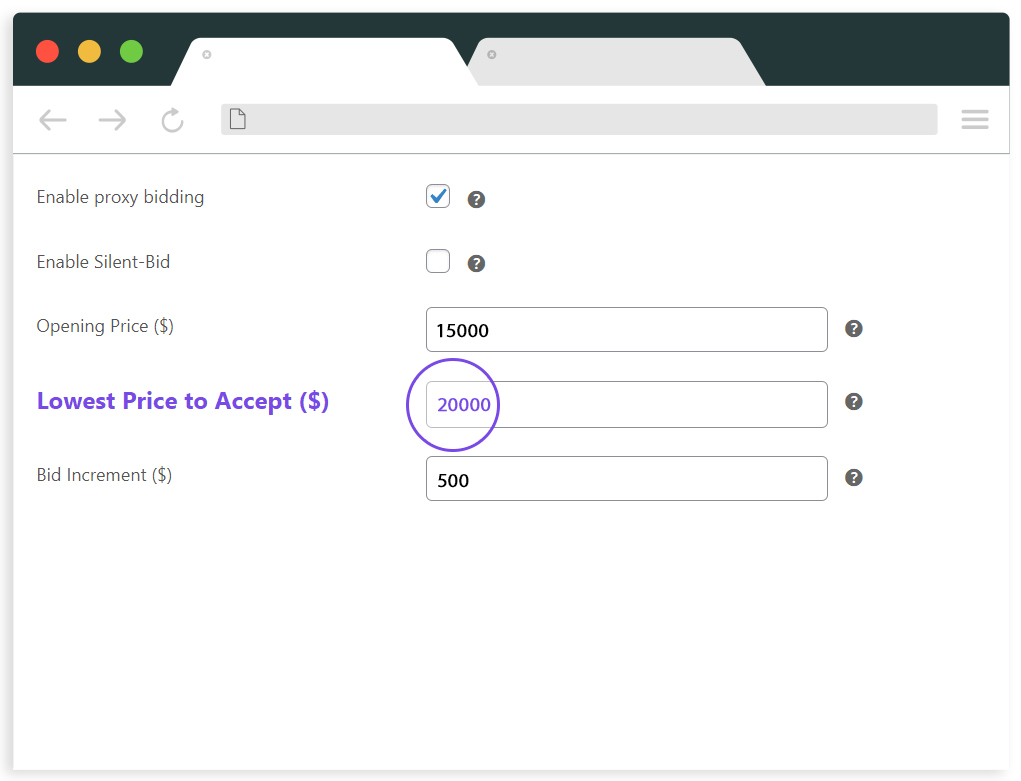 Reserve Price Setting in Auction Software
Here’s a streamlined explanation of its role:
Tracking Bids:
Auctioneer software centrally manages bids, including the highest bid, bidder information, and reserve status in real-time, providing transparency for sellers.
Reserve Status Display:
It shows “Reserve Not Met” until the reserve is achieved, informing buyers of the seller’s minimum price and creating anticipation and competition.
Bidding Facilitation:
The software streamlines the bidding process, making it user-friendly. It can also implement proxy bidding for automatic incremental bids.
Setting Reserve Prices:
Some platforms allow sellers to set reserve prices, often for an additional fee, providing control over the minimum selling price.
Adjusting Reserve Prices:
In specific platforms, sellers can lower the reserve during the auction if needed, adapting to market conditions and encouraging more bidding.
Looking to setup your Auction Website
Ultimate Auction Pro will do it instantly for you.
Auction Reserves vs. No-Reserve Auctions

Auction Reserve:
Minimum Price: When an item is up for auction with a reserve price, the seller indicates the lowest amount they will take. The seller’s bottom line, or the least amount they will consent to part with the item, is this reserve price.
The seller is obligated to finalize the sale only when the highest bidder meets or surpasses the reserve price. The seller should only proceed with selling to the highest bidder if the bidding falls within the reserve.
Protecting Value:
A reserve is primarily used to safeguard the owner against selling the item for less than what is considered to be its fair market value. It ensures the item will only be sold for a price the seller is comfortable with.
No-Reserve Auction:
No Minimum Price: A no-reserve auction has no predetermined minimum price or reserve. The highest bidder takes home the item, irrespective of the final price.
Obligation to Sell: In a no-reserve auction, the seller is obliged to sell the item to the highest bidder, even if the winning bid is lower than their initial expectations. All bids must be acknowledged and accepted.
Attracting More Bidders: No-reserve auctions tend to attract a larger number of participants who are looking to score a deal. Customers know they can buy an item without being held to a minimum price when no reserve exists. The result of this heightened competition may be higher final costs.
There are significant ramifications for sellers and buyers when choosing between an auction reserve and a no-reserve auction. No-reserve auctions foster competition and may result in higher final prices, while auction reserves protect the seller’s desired value but may restrict bidder participation.
When to Set a Reserve?
High-Value Items:
Reserve prices are beneficial for expensive goods. Placing a reserve on an item of significant value protects it from being sold for a small portion of its value. This is particularly crucial for things that have significant sentimental or monetary worth.
Low Starting Bids:
It is beneficial to use a reserve if you wish to attract bidders with a soft opening bid. You can encourage potential buyers to participate in the bidding process by creating an attractive entry point by setting a reserve slightly higher than the initial bid.
Safeguarding Intrinsic Value:
Maintaining the item’s intrinsic value while drawing in bidders with a low opening bid is the primary goal of a reserve. It ensures that the product will be sold for at least a price you consider fair and suitable..
A Successful Auction Experience:
Prudent use of reserves is necessary for a positive auction experience. It lets you attract attention to your item by offering an alluring opening bid and guarantees that the sale price will meet your expectations. This tactic reduces the possibility of disappointment and discontent with the auction’s result.
Special Offer – Limited Time Only!
Rev Up Your Savings: Get 10% off Essential Ultimate Auction Software!
Fill the form and receive directly to your mailbox a discount code.
"*" indicates required fields
Silent Auctions: How What Does Reserve Mean in an Auction and What Does a Reserve Mean in an Auction Apply
Silent auctions provide a distinctive take on the conventional auction model. Items are usually displayed for bidders to view during a silent auction, along with a bid sheet where they can record their offers. Unlike live auctions, an auctioneer can’t call out bids or set the pace. Silent auctions are common in many events, including school functions, galas, and charity fundraisers.
Certain items may still have a reserve price in a silent auction to ensure they sell for at least their actual value. Auctioneer software also plays a crucial role in silent auction software, keeping track of bids, indicating reserve status, and streamlining the bidding process.
Empowering Your Auctions with Ultimate Auction Pro
Having the appropriate tools at your disposal can make all the difference in the fast-paced world of auctions. The revolutionary “Ultimate Auction Pro” software will revolutionize your auction experience. This software guarantees your auctions’ smooth and effective operation with its unique architecture and professional features. “Ultimate Auction Pro” is your secret weapon for success whether you’re a buyer looking for the best deals or a seller trying to maximize your earnings.
Looking to setup your Auction Website
Ultimate Auction Pro will do it instantly for you.
Key Features:
Intuitive Design:
Its simple and easy-to-use interface allows novice and seasoned auctioneers to navigate the platform easily.
Advanced Bidding:
This software has sophisticated features that make bidding exciting and competitive for bidders. It guarantees a dynamic auction process, from proxy bidding to real-time updates.
Customizable Reserve Management:
Easily customize your reserve prices. “Ultimate Auction Pro” enables sellers to effortlessly control reserve prices, guaranteeing that your goods will sell for the prices you want.
Real-time Analytics:
With real-time analytics, you can learn important things about your auctions. To optimize your outcomes, keep an eye on item popularity bid trends and make well-informed decisions.
In a Nutshell: Understanding What a Reserve Means in an Auction
In the world of auctions, reserve prices are crucial because they act as both incentives for bidders and vital protections for sellers. They give sellers a clear profit margin, guarantee defense against sales that aren’t valued fairly, and promote aggressive bidding.
Deciding whether to hold a reserve or conduct a no-reserve auction is essential. No-reserve auctions may draw more bidders searching for better deals, which could raise the selling price. However, for valuable items with low opening bids, it is advisable to use a reserve to protect the item’s intrinsic value and draw bidders with an alluring opening bid.
Looking to setup your Auction Website
Ultimate Auction Pro will do it instantly for you.
Frequently Asked Questions
Get your own Auction Today!
Choose Your Plan
Easy Setup
5 Star Support