

Category: Car Auction




What Is Openlane?
What is Openlane? It’s an online auction platform where car dealers can shop and sell without leaving their desks. As we found on their official site, it’s built for licensed dealers in the US, Canada, and Europe to trade wholesale used cars. Many ask, ‘Is Openlane legit?’ — yes, it’s a trusted marketplace designed specifically for professional dealers.
The platform lists thousands of vehicles sourced from off-lease returns or dealer trade-ins. They are listed with complete condition reports and manually captured photos. They also offer an “As Described” guarantee, which adds more reliability when buying. Dealers can join timed auctions or shop 24/7 using their always-open listings. So, overall it’s an all-in-one platform where dealers handle most of their wholesale needs easily.
Is Openlane Legit?
One of the first questions that comes to every dealer’s mind is, “Is Openlane really legit?” Based on what we saw, the answer is yes. The platform is run by Openlane Inc., formerly KAR Auction Services. It is a reliable and pretty old company in the remarketing world.
As we dug into their press releases, we learned they sold 1.3 million vehicles in 2022 and had over $23 billion in used car transactions. That’s not a small operation to run without having an excellent team. They also work with over 50,000 dealers, OEMs, rental companies, and fleet operators.
In our opinion, numbers like these don’t happen unless a company is both trusted and capable. So if you are worried about credibility, Openlane has made a name for itself and earned its place.
Who Owns Openlane Auction?
Here’s something interesting we found: Openlane wasn’t always called that. The company was originally KAR Auction Services and it acquired the Openlane startup back in 2011. Peter Kelly is the co-founder of original Openlane and now the CEO of the entire operation.
In 2023, KAR decided to drop its old name and rebrand everything under the Openlane banner. From what we’ve seen, the change positioned themselves as a global online platform for wholesale vehicles. The same leadership has been involved since the early days give dealers extra confidence that the platform’s direction is in pretty good hands.
Special Offer – Limited Time Only!
Rev Up Your Savings: Get 10% off Essential Ultimate Auction Software!
Fill the form and receive directly to your mailbox a discount code.
"*" indicates required fields
What is Openlane? Is Openlane Legit? A Step-by-Step Guide to Using Openlane
Let’s walk through using Openlane because it’s actually pretty straightforward with easy steps.
- Log in and click Find Cars to narrow down your search using filters. You can also save your searches for viewing them at a later time.
- Now suppose you have found the vehicle you like. Then take a good look at all the details first. Then place your bid for the vehicle and you can’t take it back.
- You can also choose to bid with the Bid Agent. This will automatically bid up to your maximum amount while keeping your visible bid low. If you are confident about the purchase, go for a direct maximum bid. It shows your full amount right away.
- If you are the highest bidder for the vehicle, you’ll hear back from the seller within two working days.
- Once the deal is confirmed by both the parties, you will get 24 hours to accept it.
- Now you can choose whether to pick it up yourself or get delivered to your location.
- The final step is to make your payment in about 48 hours. Then handle pickup with the usual paperwork like damage reports and delivery certificates.
Openlane Reviews From Dealers: What They’re Saying
Here’s what dealers are telling us about working with Openlane. It’s a mixed bag with both positive as well as negative reviews. The Openlane reviews on Trustpilot have some buyers who warn about condition reports not matching reality:
“Paid $18,135 … clearly had a large amount of bondo … none of this was listed … DO NOT TRUST THIS AUCTION PLATFORM!”
On the upside, some praise specific Openlane team members:
“Manuel Gonzalez Somoza … always helps … very friendly & humble.”
So, in our view: Openlane offers big reach and useful tools. But it always pays to double-check vehicle reports and have clear expectations.
Openlane Auction Reviews: What is Openlane and How Fair is the Bidding?
Are you curious to know how fair the auction experience feels on Openlane? From what we’ve seen, they have some excellent features to help you bid. This is useful in conditions where the competition gets high for certain cars.
- You’ve got options like Bid Agent to manage your bids quietly or go with a direct maximum bid to make a bold move.
- They also offer the Ultimo feature if you’re the highest bidder. You get a final 5 minute chance to raise your offer. It’s a good safeguard if someone tries to outbid you at the last second.
- Openlane website is transparent as we noticed they offer a bidding advisor. This uses past auction data to guide what sellers may accept.
In our take: the bidding tools are good if you use them wisely. But it’s still smart to be ready, steady, and check the data before making your final bid.
Openlane Customer Service Review

Customer service is what can actually make or break your experience with any online auction. We took a closer look at how Openlane handles dealer support.
From what we saw, they offer multiple contact points for customer service. They take queries via telephone, email, and website help tickets. On their North American site, there’s even a dedicated dealer support number for quicker assistance. That’s the good part for any company who takes pride in handling their client queries.
However, reviews online have had a mixed response. Some dealers have praised individual reps for going above and beyond. Others mention long wait times, slow responses, or situations where they felt the rep was just reading from a script.
One recurring theme is that service seems more helpful when dealing with billing or account setup issues. On the other hand, it is less so when it comes to disputes about vehicle condition or post-sale problems. That’s worth noting if your business relies on fast resolutions.
Want to know our take? It’s a support system that works for general queries and tech help. But you’ll need to keep your own paper trail and photos for any serious claims after the purchase is complete.
Create your own car auction site today
Get all your clients to bid on the cars and make your market presence.

Online Auction Software Options For Car Dealers
Now, here’s where we shift gears. Are you a dealer who’s tired of relying upon big platforms like Openlane? Now you can start running your own branded auction website. That’s exactly what GetUltimateAuction offers.
Here’s how we stand out as the best auction marketplace software globally:
- Fully Branded Platform : You get your own domain, your own colors, and your own branding. So, the buyers are going to see you, not a third-party logo.
- Multiple Auction Formats: Timed auctions, reserve price auctions, and even “Buy Now” listings. So you’re not locked into one way of selling for sure.
- Detailed Vehicle Listings: Upload unlimited photos, condition notes, and inspection PDFs as well. Everything’s in your total control.
- Real-Time Bidding: Buyers see updates instantly without refreshing. It’s a real-time experience for them and more competition for your listings.
- Dealer & Buyer Management: You can approve or block buyers you want and set fees. It’s also possible to manage payments through integrated gateways.
- Mobile-Friendly Design: Your site works on phones and tablets without extra apps.
- No Middleman Cuts: You control your fees and keep 100% of your selling price.
From our perspective, this is huge for dealers who already have a customer base or work with repeat buyers. Instead of sending them to Openlane (and competing with thousands of other dealers), you bring them to your platform.
Our car auction software has all the setup assistance and ongoing support. So even if you’re not tech-savvy, you can still run your own auction site without any issues. In short, it’s not about replacing Openlane but about building a direct sales channel of your own.
Special Offer – Limited Time Only!
Rev Up Your Savings: Get 10% off Essential Ultimate Auction Software!
Fill the form and receive directly to your mailbox a discount code.
"*" indicates required fields
Should You Use Openlane for Your Car Business?
So, the ultimate question is if it’s worth using Openlane? Based on what we’ve seen, it’s a good platform in wholesale car trading. The reach is massive and the platform is practical. It’s tough to compete with when it comes to sourcing large volumes of vehicles across borders.
That said, no platform is perfect. Fees, competition, and the occasional mismatch between condition reports and reality do happen. You’ll also be one dealer among thousands, so standing out is tricky.
That’s why we think a mixed strategy makes sense. Use Openlane for its reach and variety, but also consider having your own auction site. That way, you can tap into the big marketplace and still build your own buyer base where you set the rules.
So, what are you waiting for? Try a free demo of the best car auction software used by thousands of car dealers.
Create your own car auction site today
Get all your clients to bid on the cars and make your market presence.
What is Openlane and Is Openlane Legit? Explore Advanced Features in Our Car Auction Software
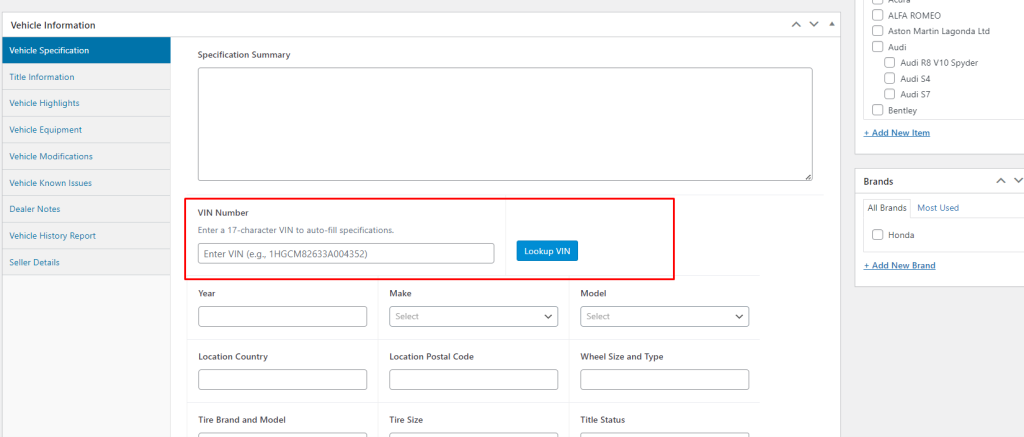
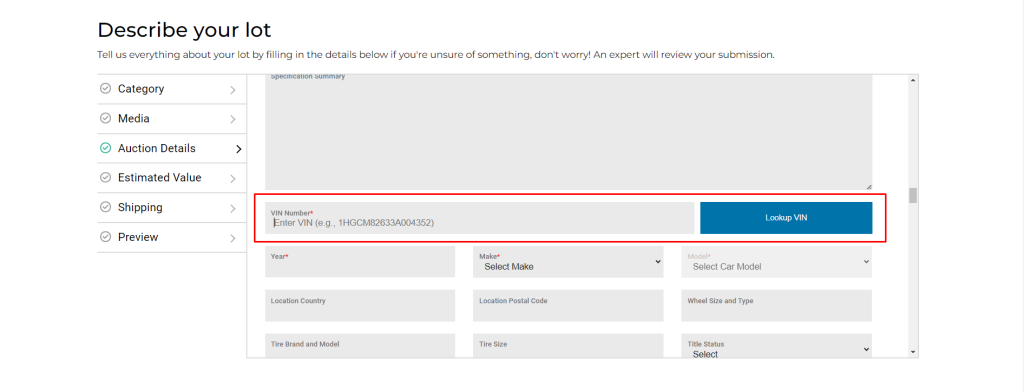
Creating auction listings just got easier. With our new VIN Decode (NHTSA API) feature, you no longer need to type every detail manually.
Smart VIN Decode (NHTSA API)
No more manual entry! With the VIN Decode feature integrated into our Car Auction Software, simply enter a 17-digit VIN and click “Lookup VIN” — the system will instantly auto-fill all key vehicle details such as:
- Make, Model, Year
- Engine type, Cylinders, Fuel type, Transmission, Drive type
- Vehicle class, Body style, Color, Mileage
Benefits: Saves time, eliminates errors, ensures consistency, and builds buyer trust with complete and accurate specs.
For Admin:
For Seller:
Auto Background Remove Feature (Powered by Pixelcut API)
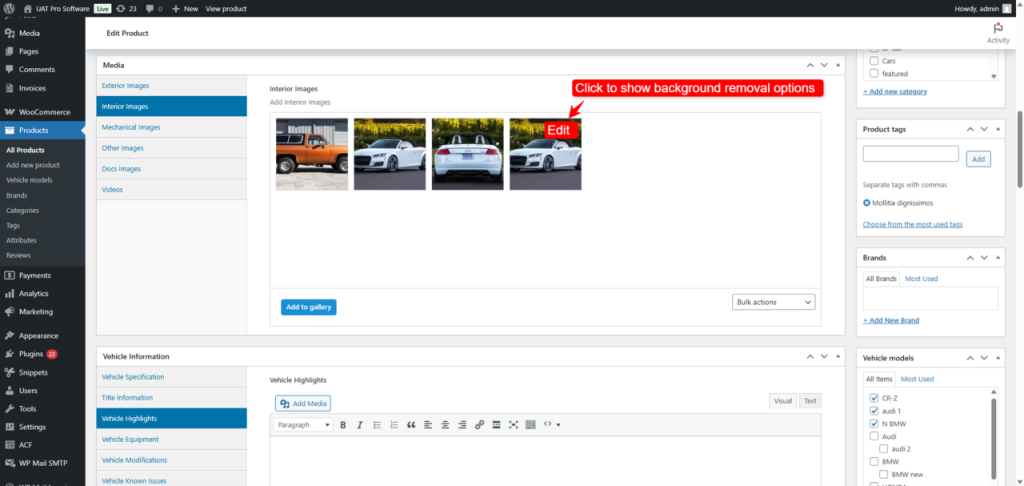
High-quality vehicle photos play a major role in attracting buyers. To make this easier, we’ve integrated Pixelcut’s Auto Background Removal feature directly into our software.
- Seller Side: When sellers upload car images, the background is automatically removed for a cleaner, more professional look.
- Admin Side: Admins have the option to manually remove backgrounds. While uploading interior or exterior photos, simply click on the Edit > Remove Background option, and the background will be cleared instantly.
This ensures that all car images in your auction listings look polished and stand out to buyers.

Frequently Asked Questions
Salvage auctions are growing fast—and not just for bargain hunters. Investors, repair shops, and resellers are recognising the immense margins in this space. Whether it’s a car, truck, or even an aircraft salvage auction, these events offer opportunities to buy high-value assets at deep discounts. When a vehicle is written off by insurance or retired by a fleet, it often ends up here, sold to the highest bidder online. You’re not just competing on price—you’re racing to filter what’s worth the investment and what might drain your wallet.
So, we are going to help you understand how to buy salvage aircraft & cars at auction. It’s not hard to find a deal. It’s hard to know if that deal is real.
What Defines ‘Salvage’ at an Aircraft Salvage Auction?
“Salvage” isn’t about how bad something looks. It’s about math. A vehicle or aircraft gets labeled salvage when whatever’s wrong with it costs more to fix than the thing is actually worth once it’s fixed. An insurer runs that number, and if repairs don’t pencil out, they write it off instead of paying for the fix.
That doesn’t mean it’s junk. Plenty of salvage vehicles run fine and just needed a bumper, a door, or new wiring. It means someone did the math and decided fixing it wasn’t worth their money. Whether it’s worth yours is a different question, and that’s really what this whole guide is about.
A vehicle or aircraft usually ends up salvage because of one of these:
- Collision damage
- Flood or fire exposure
- Theft recovery with parts missing
- Vandalism or hail damage
- Retirement at the end of its service life
Cars get a salvage title stamped on their paperwork. Aircraft don’t work quite the same way. You won’t see “salvage title” on a plane. Instead, you’ll run into language like “written off” or “not airworthy,” and if the aircraft was certified, its airworthiness certificate gets pulled until someone proves, on paper, that it’s safe again. Either way, once that mark goes on, it doesn’t come off. Fix it, resell it ten years later, the history is still there.
What Aircraft Salvage Auctions Mean for You as a Buyer
A salvage auction gets you a lower price. It also gets you more homework. You’re not just buying a car or a plane, you’re buying its entire history, and some of that history won’t show up in the photos.
Here’s what actually changes once something carries a salvage tag:
- Title restrictions. Plenty of states won’t issue a clean title back, even after a full rebuild. You’ll be stuck with a rebuilt or branded title for good.
- Insurance gaps. Some insurers flat out won’t write a policy on a rebuilt salvage vehicle. Others will, but at a higher rate.
- Resale drag. Buyers know what a salvage title means. Expect to sell for less than a clean-title equivalent, even after solid repairs.
- Cosmetic cover-ups. A fresh coat of paint hides a lot. So does a good detail job on the interior. What you can’t see in a photo is usually the part that costs you.
None of that makes salvage a bad idea. It just means the deal you think you’re getting isn’t the deal until you’ve confirmed it. Look past the listing photos before you bid, not after.
Who Sells in Aircraft Salvage Auction And Why
Salvage doesn’t come from one place. Every seller has a different reason for letting go of the vehicle or aircraft, and that reason usually tells you something about what condition you’re buying into.
Most salvage lots trace back to one of these sellers:
- Insurance companies: Total-loss write-offs
- Banks: Repossessions that came back damaged
- Rental and leasing companies: Assets retired after years of wear
- Government fleets: Older units or decommissioned aircraft
- Auction houses: Bulk lots from business closures or liquidations
The seller is basically a clue. A rental fleet car has probably racked up serious mileage and interior wear, even if the mechanics are fine. A car recovered after a theft might be missing a stereo or catalytic converter but otherwise run just as well as it did before. A government aircraft tends to be older, but it usually comes with a maintenance paper trail that a privately owned plane never will.
Before you bid, ask yourself who owned this and why they’re letting it go. Match that answer to how much risk you’re actually willing to take on.
Where Vehicles from Aircraft Salvage Auctions End Up
You don’t need a dealer license or an industry connection to bid. Most salvage auctions, cars and aircraft alike, run online and anyone can register.
For cars, the biggest platforms are:
- Copart
- IAAI
- AutoBidMaster
- Salvagebid
Aircraft salvage listings live in a smaller, more specialized corner of the internet:
- GSA Auctions (government surplus)
- GovDeals (state and city assets)
- Government Liquidation (older military and federal stock)
Every platform runs a little differently. Some want a membership before you can bid. Some charge a fee every time you place a bid, win or lose. Others let you register and bid within minutes. What they all share is speed. Auctions close fast, and there’s rarely a chance to reconsider once you’ve won.
Slow down if a listing shows any of these:
- “Runs and drives” with nothing backing it up
- No interior or undercarriage photos
- Just one photo, period
- “As-is” with zero condition notes
- A title that’s taking longer than it should to transfer
Most bad salvage purchases trace back to one of these red flags getting ignored.
Aircraft Salvage Auction Costs: What to Expect
The bid price is just part of the cost in any aircraft salvage auction. Every auction has fees that may vary between 10 to 15% as a buyer’s premium. Others add transport, loading, paperwork, and admin charges.
Common extra costs:
- Towing or shipping (can run high for aircraft)
- Title and registration
- Repairs and inspections
- Storage if you don’t collect fast
- Taxes based on location
Special Offer – Limited Time Only!
Rev Up Your Savings: Get 10% off Essential Ultimate Auction Software!
Fill the form and receive directly to your mailbox a discount code.
"*" indicates required fields
The Winning Happens Before the Aircraft Salvage Auction Starts
Most people lose money before the auction even starts. Not because they bid too high. Because they never did the homework in the first place. They spot a listing that looks decent, throw in a bid, and hope it works out.
That’s not buying. That’s gambling with extra steps. If you want to walk away with a deal instead of a headache, the real work happens before you ever click “place bid.”
Always Start With a Title Check
A title problem is the single biggest red flag in salvage, full stop. Buying a car? Pull the title status using the VIN before you do anything else. Looking at an aircraft? Run the tail number through the FAA registry and confirm its registration and airworthiness status.
Here’s what you’re actually checking for:
- Salvage or rebuilt titles
- Branded titles (flood, fire, lemon law buybacks)
- Export-only restrictions
- Missing or incomplete ownership documents
- Long delays on the title, or an active lien dispute
If a listing won’t show you the title upfront, that’s your answer. Walk away. It doesn’t matter how good the price looks. No title means no resale, and you’ll be the one stuck holding a vehicle you can’t legally move.
Map Out Your Real Cost in Aviation Salvage Auction
The number you bid and the number you actually pay are two different things. Fees stack up fast, and most first-time bidders only find that out after they’ve already won.
Before you place a single bid, account for:
- The auction’s buyer fee
- Admin or paperwork charges
- Sales tax, which depends on where you’re located
- Towing or flatbed cost to get it home
- Storage fees if you can’t pick it up right away
- Repair costs, both parts and labor
Get real numbers before you bid, not after. Call a repair shop if you’re eyeing a car. Talk to a certified mechanic or a repair station if it’s an aircraft. And if nobody will give you a solid repair estimate, assume the real number is higher than whatever you’re picturing. It usually is.
Once you’ve got your budget covered, go back and read the listing itself, closely this time. Watch for:
- “Run and drive” claims versus “starts only”
- Any mention of airbag deployment
- Frame damage alerts
- Vague “secondary damage” fields with no detail
A vague listing isn’t an accident. Sellers know exactly what they’re leaving out.
You Can Hire a Pre-Bid Inspector

Photos lie, or at least they leave a lot out. If you’re bidding on something you can’t walk around in person, don’t trust the listing photos to tell you the whole story. You can hire an AI-powered damage detection company to inspect the vehicle on-site before you commit to a bid. They’ll send back real photos, a condition report, and flag anything the seller’s photos conveniently left out.
It costs extra, sure. But skip it and you’re betting blind. A $100 inspection has saved plenty of bidders from a $5,000 surprise after the auction closed and the check already cleared.
Tech Tip: Start Your Own Car Auction Software
Every fee and commission in a salvage auction comes out of somebody’s pocket, buyer or seller. If you’re the one selling, there’s a way around handing over a cut every time: run your own auction site instead of listing through someone else’s. The best car auction software gets you there without building anything from scratch.
Here’s what running your own site actually gets you:
- Set up your own car auction website without needing a developer. People list their cars or bid on the ones they want, no middleman auction house involved.
- Sellers fill out a short form and upload their photos. Your team reviews it, and once it’s approved, the car goes live for bidding.
- Buyers register with an email and phone number, then start bidding in real time as soon as the listing is live.
- When the auction ends, both the winning bidder and the seller get notified automatically. They handle payment and delivery between themselves, so the platform stays out of the way.
- You earn a fee on every sale. The system pulls it straight from the winning bidder’s card and sends the rest to the seller’s account.
- Buyers and sellers get each other’s contact info once the auction closes, so they can sort out pickup or delivery without waiting on you.
- You can offer buyers a few different ways to pay, not just one fixed option.
Final Tips for First-Time Bidders
You must be thinking now I know how to buy salvage aircraft & cars at auction. So you might be tempted to jump into salvage auctions? It’s smart but don’t rush.
Here’s a checklist to keep an eye on in the aviation salvage auction.
- Be cautious, not scared – Risk is part of the game, but it’s manageable
- Learn the lingo – Know your “clean title” from your “certificate of destruction”
- Study every listing – Don’t trust a single image or vague description
- Never skip the inspection – Even a quick look can save thousands
And above all, the best buyers are always the best-informed. The right tools make that easy for you.
Start your own Salvage vehicle auction website today
Use Our top-rated car auction software has all the features you need.

Frequently Asked Questions
- What is a Salvage Auction?
- What Are Salvage Auction? Top Reasons Why People Explore Them
- Do All Auction Cars Always Arrive With Salvage Status?
- What Are Salvage Auction & How to Buy a Salvage Car – Step-by-Step Guide
- What Are Salvage Auction? Discover the Best Sites with Great Deals
- List Of Salvage Auction Services in United States
- Are All cars at Salvage Auction Rebuilt?
- Conclusion
Many people seek cheaper cars through salvage auctions. If you’re wondering what are salvage auction, they are events where damaged or total loss vehicles are put up for sale. Drivers hope to spend less while taking on the repair tasks themselves. Buyers often view this path as a great opportunity to save money and find hidden value.
This blog explains what a salvage auction is, how to buy a salvage car at auction, which site delivers a good deal, and more. Readers may find value in these details since salvage auctions hold appeal across many regions. This post presents a look at everything, from basics to final purchase steps.
What is a Salvage Auction?

Salvage auctions let people target vehicles priced lower than typical used cars. Sellers often receive these cars from insurance providers that view the damage as too costly to fix. Buyers who attend these events bring mechanical know-how or a trusted repair shop. These events may happen online or at physical sites. Online platforms make it easy to see photos, read details, and place bids from home. Physical auctions let buyers inspect vehicles in person, but that may involve travel.
Buyers must understand the risks before joining a salvage auction. Some vehicles show minor dents or broken bumpers. Others have major frame problems or water damage. The buyer decides if the repair cost is worth the final result. Some states set rules about salvage titles, so these details can vary. Buyers should verify local laws and check how salvage titles affect registration, insurance, and resale.
What Are Salvage Auction? Top Reasons Why People Explore Them
- Salvage auctions exist to let buyers claim vehicles that insurers or owners deem uneconomical to fix. The term “salvage” refers to cars with damage from crashes, floods, theft recovery, or other events. Insurance groups brand these cars as total losses when the repair cost surpasses a certain percentage of the car’s value.
- People explore salvage auctions for cheap prices. A buyer might secure a car that costs far less than the same model in a standard used-car market. Someone with the right skills can restore the vehicle. Some folks see salvage auctions as a chance to try their hand at auto repair. Others who own a repair shop can fix the car for less money.
- People also look for salvage titles to harvest parts. Some want an engine or transmission that might still work, even if the frame is bent. The marketplace includes many cars that range from slightly damaged to heavily wrecked.
- A salvage auction can be fun for those who enjoy auto projects. Others see it as a direct route to getting a cheap ride for local use.
Do All Auction Cars Always Arrive With Salvage Status?
Many people assume that every car at an auction is salvage. That is not always the case. Some auctions list repossessions or fleet vehicles that do not have damage. Some have clean titles and look fine. These might appear next to heavily damaged cars. However, a large portion of auction listings carry a salvage title due to their backgrounds.
Some damaged vehicles skip a salvage title, though that is not common. State laws decide which cars get labeled as salvage. If damage is below a certain threshold, the car might keep its clean title. Buyers should not assume that every listing is wrecked. Reading the details is the safest approach.
Bidders who do not do their homework risk buying a car that is illegal to drive where they live. A close look at the listing plus checking local rules helps avoid that problem. Some auctions run a public format, while others require a dealer license. That means certain people might need a broker service to bid.
What Are Salvage Auction & How to Buy a Salvage Car – Step-by-Step Guide

- Buyers select an online salvage auction site first. Then, they register by creating an account. Some states allow only licensed dealers to bid, but many sites let private individuals join with the help of brokers.
- Now people look for a car that matches their needs. The next step is to read the listing details carefully. The listing may display the exact type of damage, whether it is from a front collision, hail, theft, or water.
- After that, the buyer sets a maximum bid. This prevents emotional bidding. People sometimes get excited and overshoot their budget. A salvage auction car sells “as is,” which means the buyer takes it without a warranty.
- Once the auction day arrives, the buyer places bids. That might happen in real time with live streaming or in a timed format with countdown clocks. If the buyer wins, they pay the required amount plus fees.
- The next step is arranging transport or pick-up. Some local buyers bring a trailer. Others hire trucking services.
- The final step is dealing with repairs and retitling. This requires inspection in some states. Once that is done, the car can be registered.
What Are Salvage Auction? Discover the Best Sites with Great Deals
Many people debate which site stands out when it comes to salvage auctions. A few names pop up often, and each site has pros and cons. Some buyers prefer a platform that hosts daily auctions. Others enjoy a simpler site layout.
One major name that many shoppers trust is Copart. That site features thousands of cars. Buyers can search by make, model, or damage type. Copart might require a membership plan with a fee. Some states force private individuals to work with a broker on Copart. That adds an extra step, but many people feel the big inventory is worth it.
Another known platform is IAA. It also lists a large variety of salvage cars. People see a broad selection that rotates weekly. IAA might require registration fees, and local rules differ for each state.
Other sites exist, but the best pick often depends on personal goals. Some people want the biggest selection. Others want the lowest fees.
Special Offer – Limited Time Only!
Rev Up Your Savings: Get 10% off Essential Ultimate Auction Software!
Fill the form and receive directly to your mailbox a discount code.
"*" indicates required fields
What Are Salvage Auction & How to Run Your Own Successfully
Some people want to run their own online auctions instead of relying on large platforms. They may have a select group of buyers or a set of vehicles to sell. Creating a personal auction page can help with branding and control.
Car auction software makes that possible by providing bidding tools, listing management, and payment features under one umbrella. This setup suits shops, dealers, or private sellers who want more independence. The software can handle registration, track bids, and guide the payment process.
With a user-friendly layout, you can draw in more participants. Instead of sharing revenue with outside sites, you manage your own system and can create rules that match your goals. This allows you to adjust every detail, from starting bids to final fees. By focusing on a direct link between your inventory and buyers, you can shape the entire experience.
Take time to pick a solution from Ultimate Car Auction Software that fits your operation. Soon you could have a site that supports your brand from start to finish.
Build Your Salvage Car Auction Site Today
Use Our All-in-One Custom Car Auction Software to design and run your online car auction website with ease.
List Of Salvage Auction Services in United States
The USA has many salvage auction services scattered in various places. Some carry national coverage, while others focus on certain regions. Local auctions might carry fewer listings, but they can reduce transport cost and let the buyer check damage in person.
States like California, Texas, Florida, and New York often have several salvage auction yards. People can search by city name or zip code on big auction platforms. A few smaller companies offer direct sales where they list salvage cars on their own site.
Buyers should note that each state sets rules about salvage titles. A car from Florida might have different requirements from a car in Illinois. Some states use words like “Certificate of Destruction” that can mean the car is only good for parts. Anyone who wants to repair and drive the car should confirm that their home state will let them retitle it. That detail can be found in official state guidelines for motor vehicles.
Are All cars at Salvage Auction Rebuilt?

Not every salvage car heads for a fresh life on the road. Some carry damage so severe that repairs cost more than the car’s value. Those vehicles might be parted out by shops. The frame might be too bent or corroded. The engine might be ruined. People who buy those cars see them as a source of spare parts that still hold value.
Others do get repaired. A car with moderate damage might need a new bumper, new lights, or basic bodywork. A skilled mechanic might fix that in a few days. That car can later pass inspection for a rebuilt title. It could drive fine if all safety checks pass.
Some folks avoid salvage cars altogether because of the unknown. They worry about hidden faults. They might not feel comfortable dealing with repairs. Others see salvage auctions as a path to a good deal if they do the homework.
Special Offer – Limited Time Only!
Rev Up Your Savings: Get 10% off Essential Ultimate Auction Software!
Fill the form and receive directly to your mailbox a discount code.
"*" indicates required fields
Conclusion
Salvage auctions stand as a way for people to secure damaged or total loss cars at lower prices. Buyers often spot popular brands and various damage levels. Some might have small cosmetic problems. Others might be missing entire front ends. The final choice depends on the buyer’s comfort with repairs.
Most people start this process by picking a known site, setting a budget, and researching the listed cars. They confirm local laws and title regulations. They review damage details to gauge repair effort. Winning a bid is only the first step. Transporting the car and fixing it can add to the overall cost. If the repair goes smoothly, the buyer ends up with a working vehicle at a bargain price.
Frequently Asked Questions
Get your own Auction Today!

Choose Your Plan

Easy Setup

5 Star Support