

Category: Auction Earning & Business


Most auctioneers don’t earn a salary. They earn a commission on each sale, commonly 10% to 15% of the final price, plus flat fees for setup, marketing, and admin. That means what an auctioneer makes in a year depends on how many auctions they run, what the items sell for, and how much of the work they can handle without extra staff.
This post breaks down how auctioneers get paid, what pushes their income up or down, and how online bidding, a strong script, and the right software can change what they take home.
How do auctioneers get paid?
Auctioneers earn money in three main ways: a commission on each sale, flat fees for the work around the sale, and, at many auctions, a buyer’s premium added on top of the winning bid.
| Income source | What it is | Who pays |
|---|---|---|
| Seller’s commission | A percentage of the final sale price, commonly 10% to 15% | The seller |
| Buyer’s premium | A percentage added to the winning bid. Many auction houses use it. | The buyer |
| Flat fees | Set charges for marketing, cataloguing, photography, or setup | The seller |
| Listing fees | A small charge per item listed. This is more common online. | The seller |
Rates are not fixed. Three things move them most:
- Type of auction. Higher-value sales, such as property, tend to carry a lower percentage but a larger payout. Lower-value sales, such as cars or household goods, need more volume.
- Experience. An auctioneer with a strong track record can ask for a higher rate. Someone new often starts lower to win their first clients.
- Who does the work. If the auctioneer also handles photography, cataloguing, and marketing, they usually charge more. If the seller does it, the rate is lower.
A worked example. An auctioneer runs a sale where items sell for $10,000 in total. They charge sellers a 10% commission and add a 10% buyer’s premium. They also charge $300 in flat fees for photography and setup.
- Seller’s commission: $1,000
- Buyer’s premium: $1,000
- Flat fees: $300
- Total income: $2,300, before the auctioneer pays their own costs
This is an illustration, not a rate card. Real rates depend on the auction, the country, and what’s agreed with the seller.
Can auctioneer software increase what you earn?
It can, in three ways: it saves time, it widens your audience, and it shows you what’s working. None of these guarantees a higher income, but together they change how much you can handle.
It saves time on admin. Software can take over bid tracking, bidder registration, item cataloguing, and payment collection. If those tasks take a few hours less per auction, you can run more auctions in the same month.
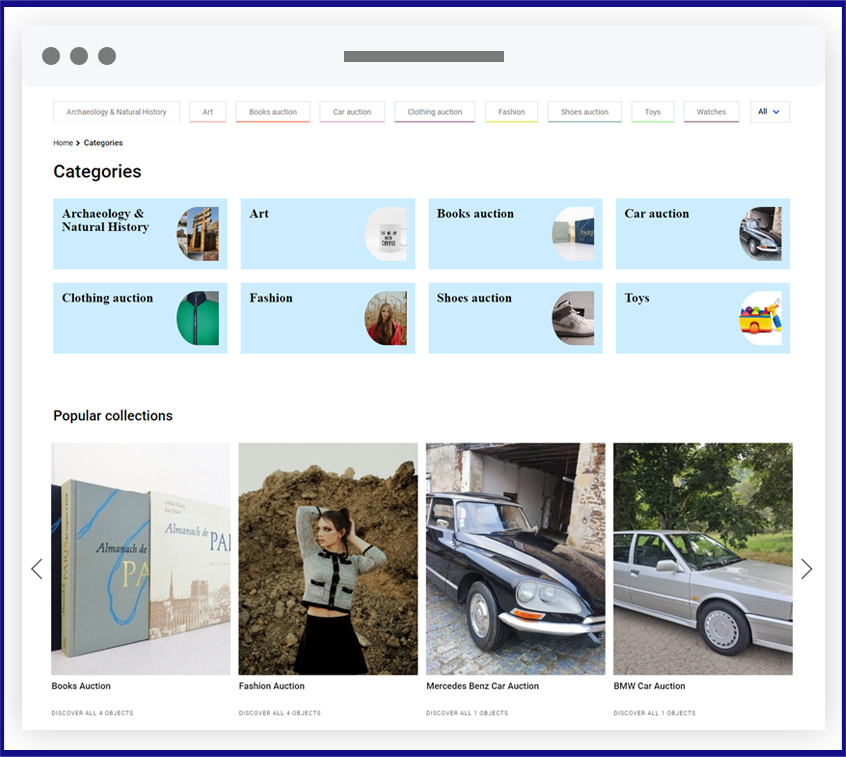
It widens your audience. With online bidding, people who can’t attend can still take part. More bidders on an item tends to push the final price up, and since your commission is a percentage of the sale, a higher price means a higher payout. It doesn’t happen every time, but it’s the main reason auctioneers move online.
 Auctioneer software(Theme) Auction Detail Page
It shows what’s working. Reports on past sales show which categories get the most bids, what time bids come in, and which buyers return. You can use that to choose what to take on next and when to close an auction.
If you charge sellers and buyers separately, software can calculate both for you. See how Ultimate Auction handles buyer’s premium and commissions.
Does an auctioneer’s script affect what they earn?
It can. An auction script is the plan an auctioneer follows to run a sale: how they open, how they describe each item, how they ask for bids, and how they close. A clear, confident script keeps bidders engaged, and engaged bidders tend to bid longer. Because most auctioneers are paid a percentage of the sale price, a few extra bids can raise their income.
A working script usually covers:
- The opening. A short welcome that explains the rules, the payment terms, and how bidding works, so nobody is confused later.
- The item description. Two or three lines about what the item is, why it matters, and what condition it’s in.
- The ask. A clear starting bid, then a steady call for the next bid, so the room always knows the current price.
- The close. A warning before the final call, then “going once, going twice, sold”. People often bid at the last second when they know it’s the last chance.
The script changes with the sale. At an art auction, the auctioneer may talk about the artist and the piece’s history. At a real estate auction, the focus moves to location, condition, and investment potential. At a charity auction, a short story about what the money does often matters most.
A flat, rushed script has the opposite effect. Bidders lose track of the price, hold back, and the sale closes lower than it could have.
How do auctioneers earn at charity auctions?
Usually not by commission. At many charity auctions, the auctioneer donates their time, works for a flat fee, or charges a reduced rate, because every dollar of the sale is meant to go to the cause. Some auctioneer associations and local rules also discourage or restrict taking a percentage of funds raised for a charity, so check what applies where you work.
So why do auctioneers take on charity events? There are real benefits beyond the fee:
- Visibility. A well-run benefit puts them in front of donors, business owners, and collectors who may hire them later.
- Reputation. A strong result gets talked about and leads to referrals.
- A flat fee for expenses. Some charities pay a set amount to cover travel, preparation, or staff.
Software can help in two ways. It lets supporters who can’t attend bid online, which widens the audience and can lift the total raised. It also takes care of the admin work, such as bid tracking, item catalogues, bidder registration, and payment collection, so the auctioneer can focus on the room.
If you’re a charity looking for software to run your own event, see how a silent auction works online.
How can auctioneers earn more?
Most auctioneers raise their income in five ways: build a reputation, add a buyer’s premium, specialize, pick the right market, and bring in more sellers and bidders. You don’t need all five. Pick the ones that fit the sales you run.
Build a reputation sellers can check
Sellers hire auctioneers they’ve heard good things about. Keep a simple record of past sales (what sold, and for how much against the estimate), and share it on your site. Ask happy sellers for a short review. Word of mouth still brings in most repeat work, so it pays to make it easy for people to recommend you.
Add a buyer’s premium
A buyer’s premium is a percentage added to the winning bid and paid by the buyer. It’s a second income stream that doesn’t reduce what the seller receives. In Ultimate Auction you can set it as a flat amount or a percentage, with a minimum and maximum, as in the example below (12%, with a minimum of $150 and a maximum of $250).

Tell bidders about the premium before the auction starts, and check whether your area has any rules about it.
Specialize in something
Auctioneers who focus on one kind of item, such as rare coins, classic cars, fine wine, or art, often build a name with serious collectors. Collectors trust a specialist, and that trust can support higher fees. The trade-off is a smaller pool of sellers, so specializing works best where you already have the knowledge.
Think about where you work
Cities usually offer more bidders and higher-value items, so auctioneers there can often charge more. They also face more competition. Online bidding reduces how much your location matters, because bidders can join from anywhere.
Make it easy for sellers to bring you items
More lots mean more commission, so make consigning simple. A submission dashboard lets sellers send in items, and lets you track each one from draft and review through to sold and paid.

Market to sellers and bidders
You need both sides. Keep an email list and send a preview of each upcoming auction, then a reminder before it closes. On social media, feature one lot at a time with a short story. For local sales, flyers and direct mail still work, so use them alongside online channels.
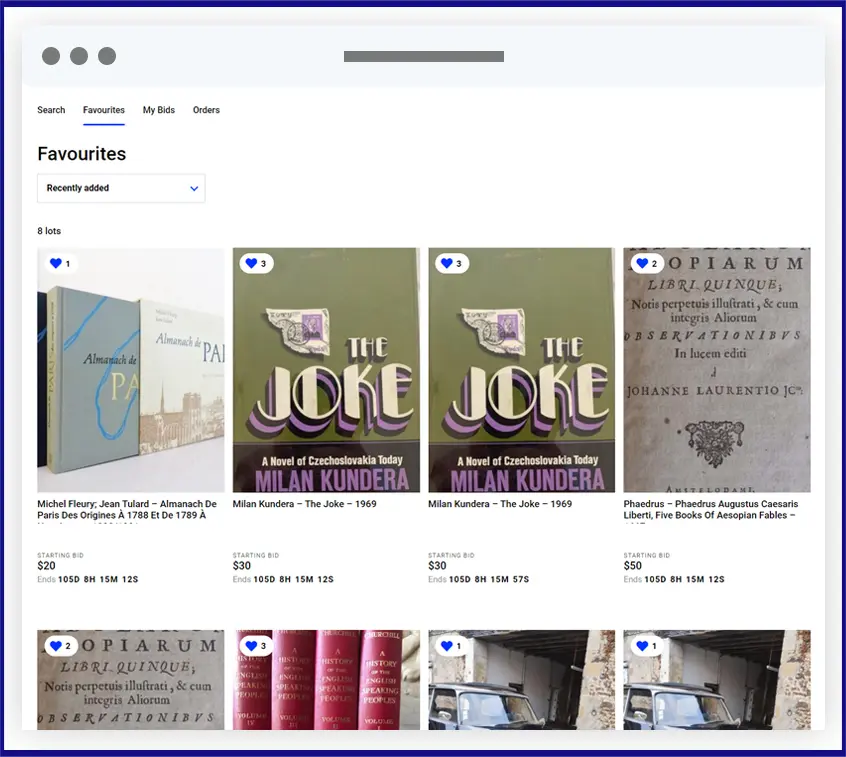
Software can help you see what’s drawing interest. On the buyer’s favourites page below, each lot shows how many people have saved it, which tells you which items to push in your next email.
What should you take away from this?
Most auctioneers earn from three places: the seller’s commission, flat fees, and a buyer’s premium where one applies. What they take home depends on the type of auction, their reputation, and how many sales they can run.
The ways to raise that income are practical. Keep a visible record of past results, add a buyer’s premium, specialize where you have real knowledge, and market to sellers as well as bidders. Software won’t make the money for you, but it can take over bid tracking, payments, and consignments, so you can run more sales and reach bidders who can’t attend.
If you’re setting up your own sales, you can look at how Ultimate Auction handles commissions, buyer’s premiums, and seller submissions, or try the live demo.

- What is a No Reserve Auction? Understanding the Concept
- Benefits of No Reserve Auctions: A Win-Win Scenario
- Illustrating the Concept: Real-Life No Reserve Auction Examples
- What Is a No Reserve Auction? Tips for Selling Items Successfully
- What Is a No Reserve Auction? Leveraging Digital Tools for Success
In the world of auctions, the term “no reserve auctions” might seem a bit mysterious, but it’s actually a fascinating concept that benefits both sellers and buyers. Are you curious about the world of auctions? Wondering, “What is a No Reserve Auction?” Let’s uncover this intriguing concept that has buyers and sellers captivated.
Simply put, a no-reserve auction is when the seller offers an item for bidding without setting a minimum price (reserve price). Let’s understand its definition in simple terms.
What is a No Reserve Auction? Understanding the Concept
A No Reserve Auction is an engaging and transparent auction format where the seller offers an item without setting a minimum price, unlike traditional auctions. This means that the highest bid, no matter how low, secures the item. This dynamic format levels the playing field and encourages competitive bidding.
Buyers are attracted by the opportunity to potentially secure items at bargain prices, while sellers benefit from increased bidder engagement and the potential for higher final prices. With no safety net of a reserve price, no reserve auctions offer excitement, fairness, and the chance to uncover incredible deals in the auction world. Let’s delve deeper into this concept and explore its advantages for both sides.
Create your Auction Site! Add No Reserve Auction Easily!
Ultimate Auction Software is best software to create an auction website and sell stuff

Benefits of No Reserve Auctions: A Win-Win Scenario
A No Reserve Auction is a captivating and distinctive auction style where sellers present their items without specifying a minimum price, setting it apart from conventional auctions. This unique approach fosters an atmosphere of excitement and opportunity for both buyers and sellers.
For Sellers
Sellers keen on maximizing auction engagement often inquire, “What is a No Reserve Auction?” No reserve auctions can be a game-changer for sellers. By foregoing the establishment of a reserve price, sellers attract a larger pool of bidders who are enticed by the opportunity to secure an item at a bargain. This increased bidder engagement often translates into higher competition, driving bidding wars that can lead to surprisingly high final prices.
Furthermore, no reserve auctions can enhance visibility and interest in your auction, leading to increased traffic to your auction platform. No reserve auctions have shown success across various categories. For instance, emerging artists can find their work gaining attention and fetching unexpectedly high prices. Estate sales leverage this format to efficiently clear items, offering buyers unique vintage finds.
For Buyers
For bidders seeking thrilling auction moments, understanding “What is a No Reserve Auction” is key. Buyers are significant beneficiaries of no reserve auctions. These auctions offer an exciting chance to snag items at prices far below market value. The allure of no reserve auctions lies in the potential to secure items at remarkably low prices, making it an enticing prospect for bargain hunters. Collectibles, such as rare coins and books, thrive in no-reserve auctions, catering to enthusiasts seeking elusive pieces.
With no reserve price acting as a safety net, buyers have the opportunity to find hidden gems and score incredible deals that they might not encounter in traditional auctions. This format levels the playing field and offers a sense of fairness, as everyone has an equal chance of winning regardless of the item’s value. With the absence of a reserve price, buyers can uncover hidden treasures and exceptional deals that might elude them in traditional auctions.
Incorporating no reserve auctions into your auction strategy involves key steps. Sellers should conduct thorough market research and select a compelling starting price. In the realm of modern commerce, where technology plays a pivotal role, auctioneer software contributes to the seamless execution of no-reserve auctions. These tools enhance the user experience, providing real-time updates, secure payment gateways, and intuitive interfaces.
Special Offer – Limited Time Only!
Rev Up Your Savings: Get 10% off Essential Ultimate Auction Software!
Fill the form and receive directly to your mailbox a discount code.
"*" indicates required fields
Illustrating the Concept: Real-Life No Reserve Auction Examples
To provide a concrete understanding of this concept, let’s delve into a few real-life instances that showcase the dynamic nature of this auction format:
1. Art Auctions: Emerging artists often find a platform for recognition and value appreciation through no-reserve auctions. Pieces that might have slipped under the radar in traditional auctions can captivate bidders in this setting, leading to spirited competition and the potential for higher final prices.
An excellent example is the artwork “Portrait of an Artist (Pool with Two Figures)” by David Hockney, which sold for a staggering $90.3 million in a no-reserve auction, demonstrating the remarkable impact of this format on the art market.
2. Estate Sales: No reserve auctions play a pivotal role in estate sales, where items need to be quickly cleared out. Vintage enthusiasts and collectors have the opportunity to uncover unique and valuable items at remarkable prices. Estate sales often feature an array of items, from furniture to jewelry, making it an exciting experience for buyers seeking one-of-a-kind treasures.
3. Collectibles: Niche collectibles, such as rare coins and vintage comic books, thrive in the no-reserve auction environment. Enthusiasts are drawn to these auctions due to the potential of finding items that might have otherwise remained undiscovered.
Notable examples include the sale of a rare 1943 Lincoln penny for over $200,000 and a first edition of “Action Comics #1” (Superman’s debut) for over $3 million in no reserve auctions.
These real-life examples underscore the power of this auction in driving unexpected results and captivating audiences across various industries. The absence of a minimum price requirement fosters a level playing field and encourages fervent bidding, ultimately contributing to the allure and success of this unique auction format.
What Is a No Reserve Auction? Tips for Selling Items Successfully
If you’re a seller considering a no-reserve auction, here are some steps to maximize your success:
Research Your Market:
Understand the demand for your item and determine if it is appropriate based on its popularity.
Set a Realistic Starting Price: While there’s no reserve price, starting with an attractive initial bid can encourage early bidding and create a competitive atmosphere.
Craft a Compelling Description: Clearly describe the item’s features and condition to entice potential bidders.
Promote the Auction: Leverage social media, email marketing, and relevant platforms to spread the word about your no reserve auction.
Engage with Bidders: Respond promptly to bidder questions and encourage active participation throughout the auction.
Create your Auction Site! Add No Reserve Auction Easily!
Ultimate Auction Software is best software to create an auction website and sell stuff
What Is a No Reserve Auction? Leveraging Digital Tools for Success
As someone in the business of auction software and WordPress themes, you’re well aware of the role technology plays in modern auctions. An Auctioneer software can streamline the process of hosting no-reserve auctions, making it easier for both sellers and buyers to participate. Ultimate Auction Software brings a plethora of features to streamline and enhance the auction experience, catering to both sellers and buyers:
Payment Processing: Integration with Stripe and Braintree allows auctions to hold and debit funds, making transactions seamless and secure. This enables buyers to use credit cards for convenient payments.
Buyer’s Premium: Auction administrators can earn extra revenue by implementing a buyer’s premium. Winners are charged an additional premium amount on top of their winning bid, generating an additional income stream. Here is a video explaining the same.
Bidding Fees: Sellers can set bidding fees, adding a level of customization to the auction process. This strategy can help cover administrative costs and ensure a smooth auction operation.
Automatic Order Creation: With this feature, winning bids are automatically converted into orders, reducing manual efforts and ensuring accurate transaction records.
Soft-Close: The soft-close feature prevents last-minute bidding frenzies. If a bid is placed near the end of the auction, the closing time extends slightly to give other bidders a fair chance to respond.
Silent Auctions: Silent auctions allow participants to discreetly submit their bids, promoting a sense of privacy and encouraging strategic bidding.
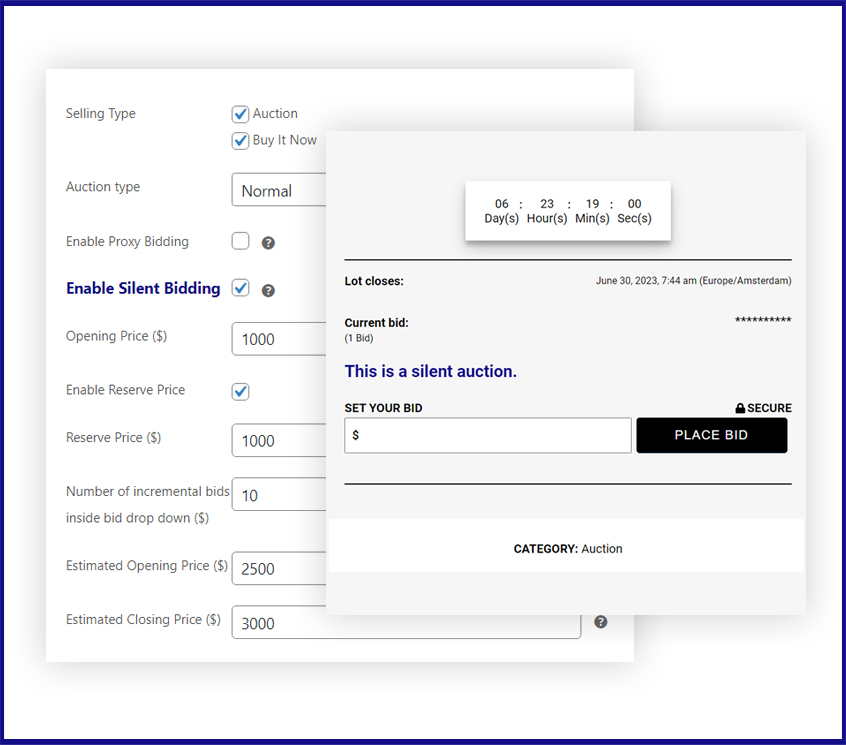
Buy Now Option:
Introducing a “Buy Now” feature lets buyers secure items immediately at a fixed price, providing an alternative for those who prefer instant purchases over bidding.
Proxy Bidding: Proxy bidding gives you an option in which bidders submit their maximum bid to the auctioneer, who then automatically bids on their behalf up to that amount.
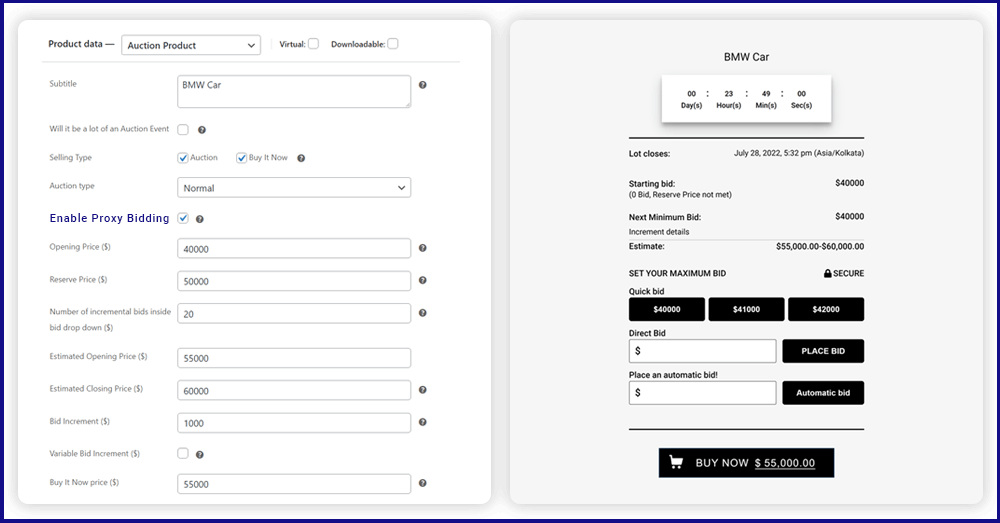
Auction software combines these diverse features to create a user-friendly and efficient platform that meets the unique needs of auctions, making the entire process more engaging and profitable for all involved parties.
Conclusion: Embracing the Thrill of No Reserve Auctions
In the world of auctions, no reserve auctions stand out as dynamic and thrilling events that captivate both sellers and buyers. These auctions, devoid of reserve prices, offer a level playing field and the excitement of winning a coveted item at a remarkable price. As a seller, embracing the potential of no reserve auctions can give impressive results.
Likewise, buyers can discover exceptional deals that might otherwise remain undiscovered in traditional auctions. So, whether you’re on the selling or buying side, no reserve auctions hold the promise of a truly exhilarating experience in the world of commerce.
Remember, the key to success in no-reserve auctions lies in understanding your audience, marketing effectively, and leveraging modern auctioneer software to create seamless, user-friendly experiences. By adopting these strategies, you can make the most of this auction format and achieve your auction goals.
I hope this article provides you with valuable insights into the world of no-reserve auctions and how they can benefit both sellers and buyers. If you have any further questions or need additional information, feel free to reach out!
Create your Auction Site! Add No Reserve Auction Easily!
Ultimate Auction Software is best software to create an auction website and sell stuff
Frequently Asked Questions
Get your own Auction Today!

Choose Your Plan

Easy Setup

5 Star Support